Face piercings run from a tongue barbell hidden inside the mouth to a single third eye dermal stud in the middle of the forehead, and healing times vary enough that I give them their own section further down.
Daily life should pick the spot: a bridge piercing sits right where glasses rest, and a septum ring flips up out of sight when a job asks for a cleaner look.
Metal is the other fixed point, so I start fresh piercings in implant-grade titanium or gold and keep the whole set matched.
1. Eyebrow Piercing
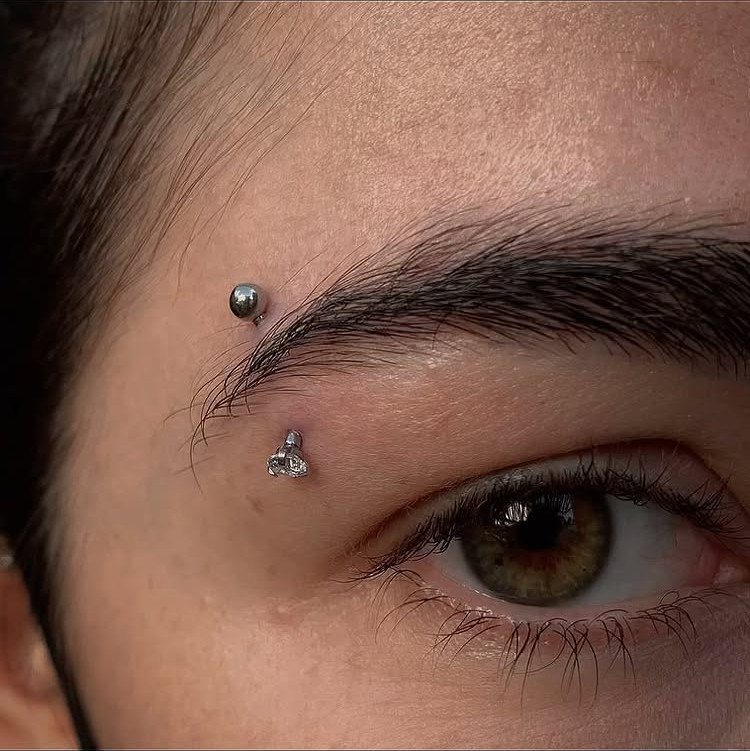
I like it with a simple silver ball on each end, since the brow already frames the eye and needs little extra.
Where the jewelry sits along the brow changes the whole look, so settle on the spot with your piercer well ahead of the appointment.
2. Bridge Piercing
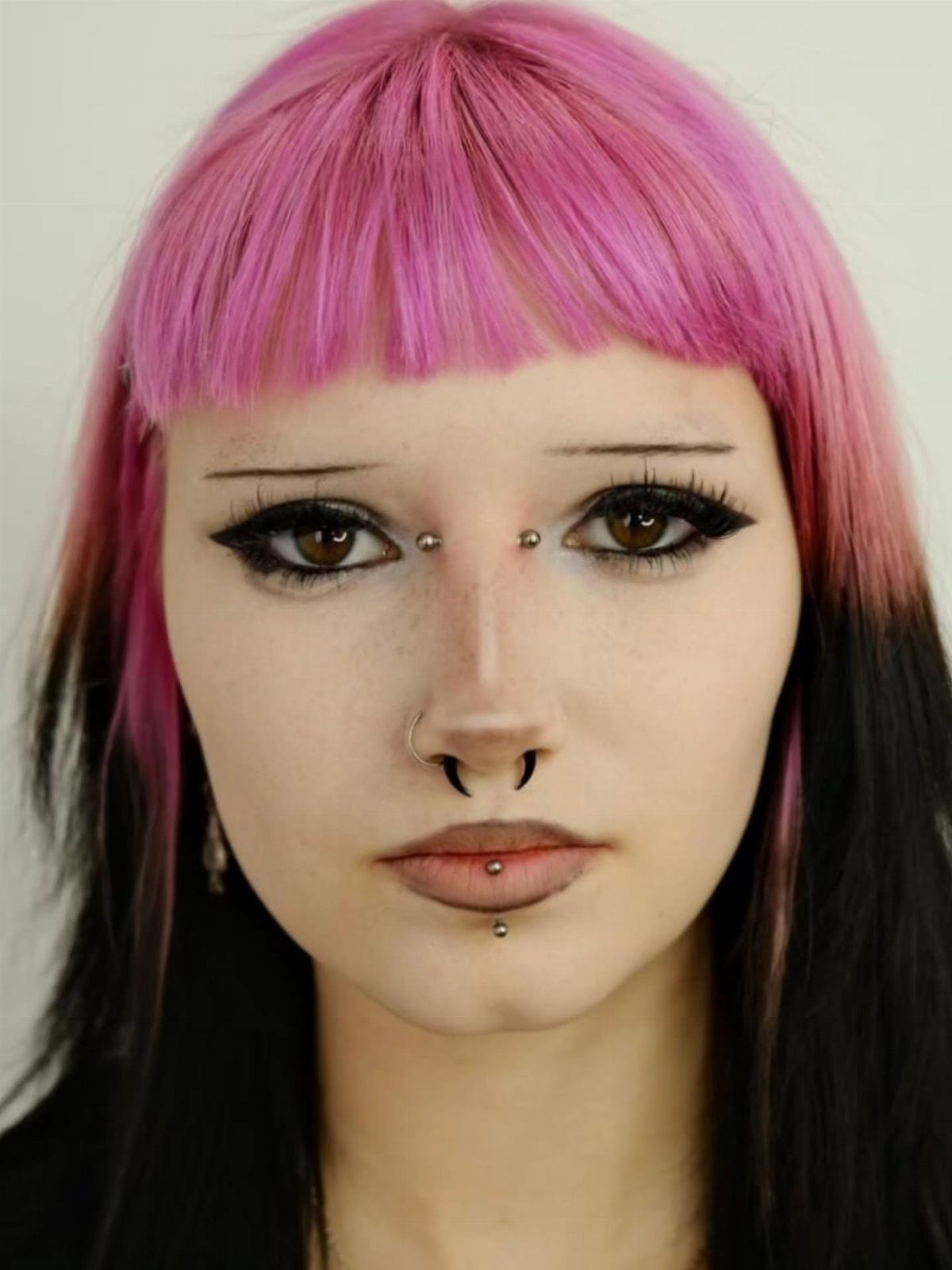
A bridge piercing is a horizontal bar through the skin across the top of the nose, right where the pads of glasses frames land.
That is my main caution: if you wear glasses daily, talk it through with your piercer first.
It pairs well with other face jewelry, as stacking it with a septum ring and a lip stud shows. Matching the metal across every piercing makes the whole set look planned, so I stick to one material.
3. Septum Piercing
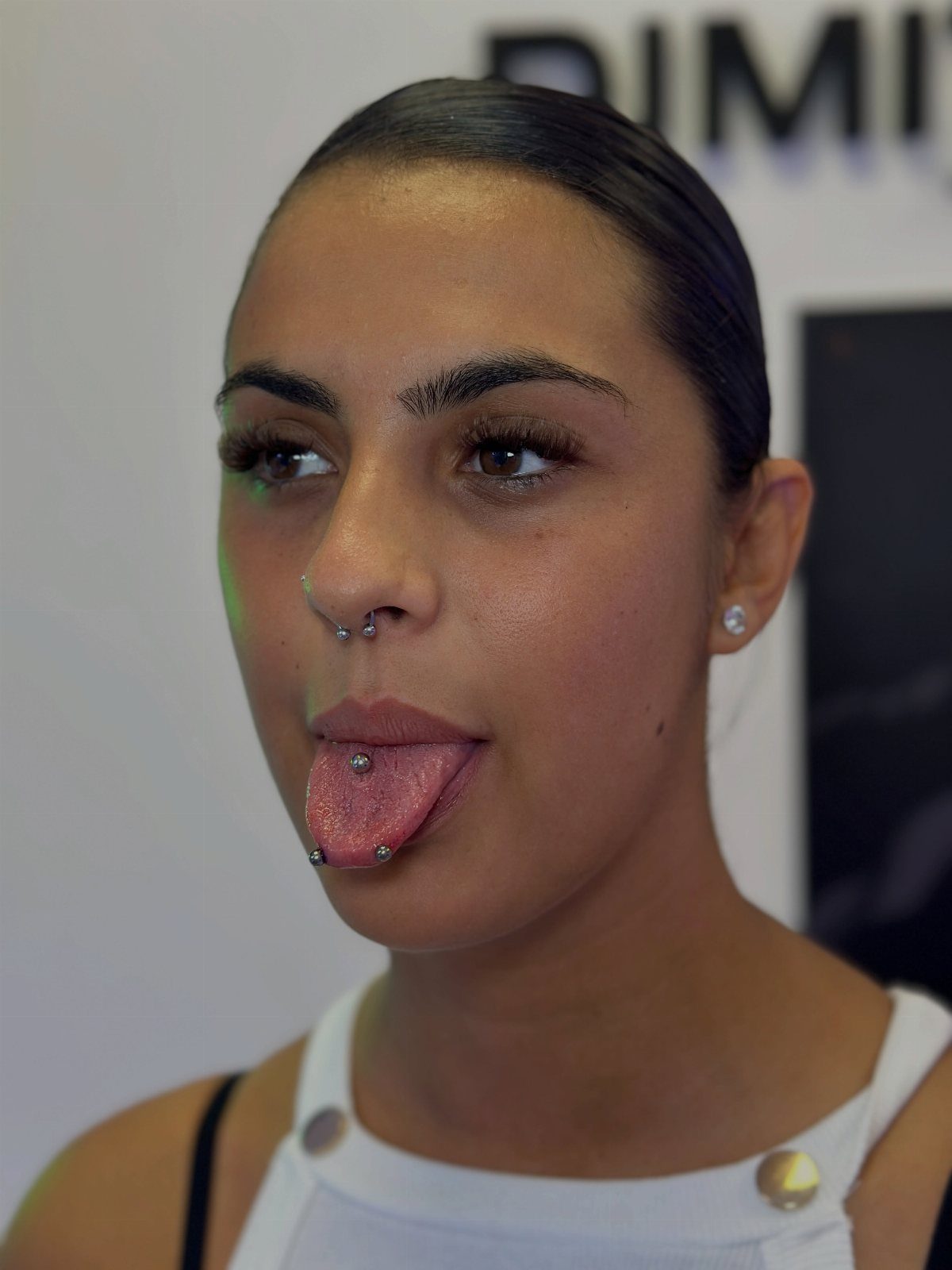
A septum ring sits in the narrow strip of tissue between the nostrils, just below the cartilage. It is one of the few facial piercings that can be flipped up out of sight, which suits anyone with a dress code.
I prefer a plain ring over anything busy. A septum piercing pairs easily with other facial piercings, a tongue piercing included, without clashing.
4. Lip Piercings
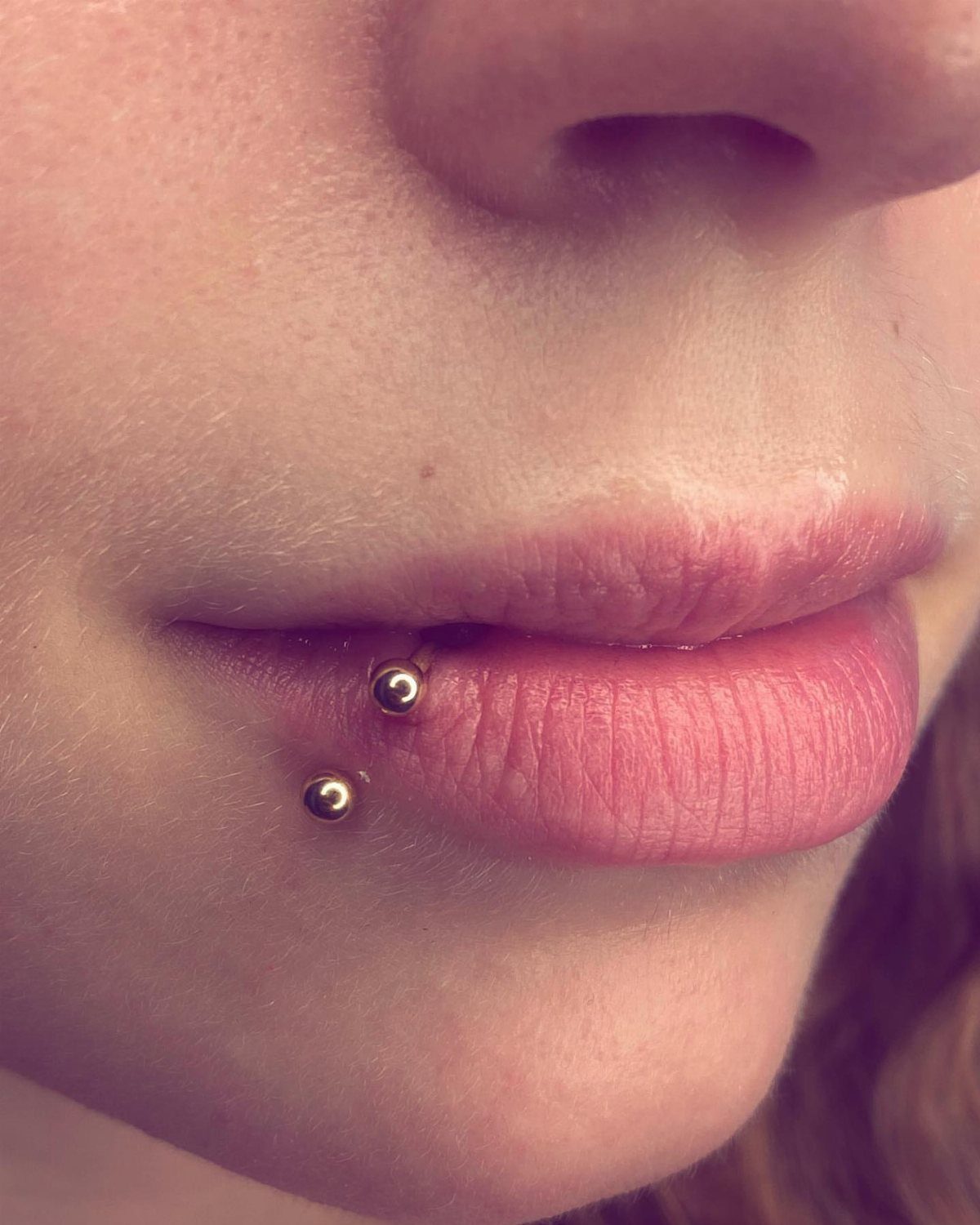
Lip piercings have no single spot: center, side, high, low, single or paired.
Choose the placement first, then the jewelry. I would go with matching studs in the same metal so a pair reads as one design rather than two separate decisions.
5. Nostril Piercing
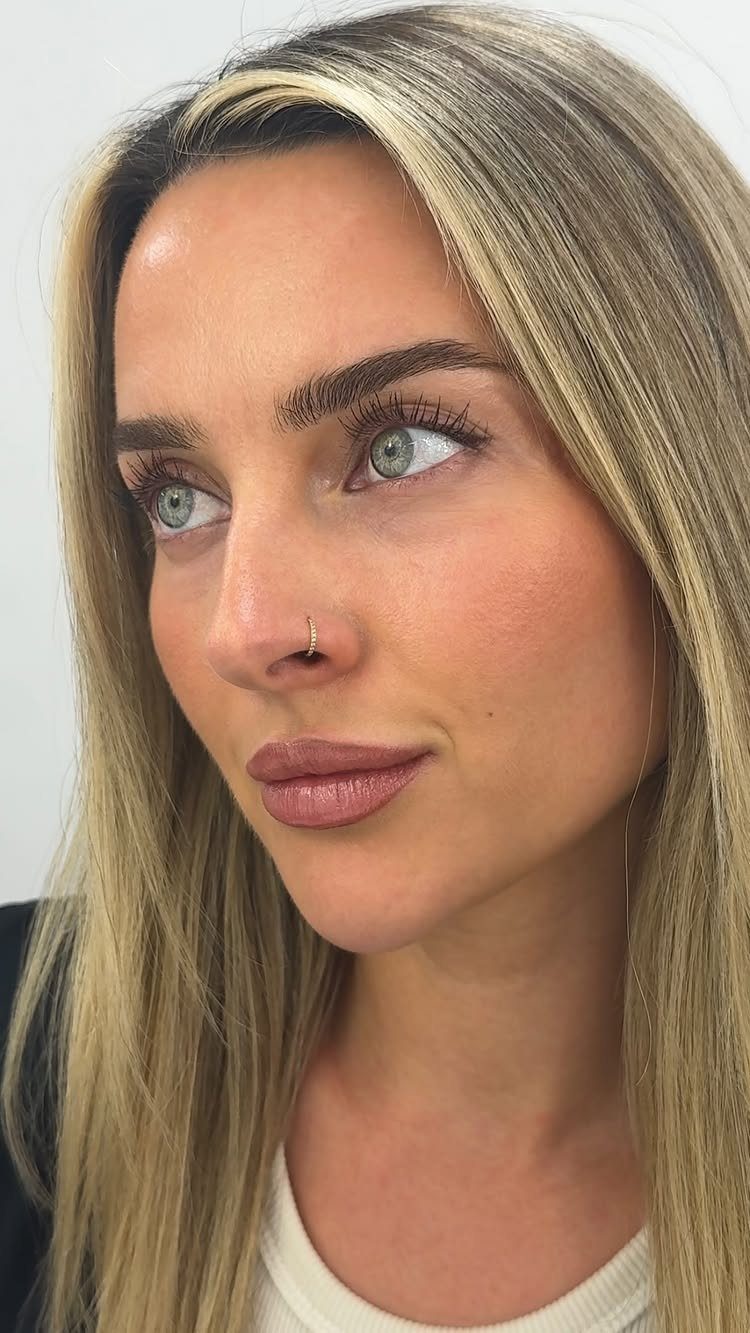
The nostril is the classic nose piercing, and it rewards patience. The wearer credited here started with a 16 gauge labret stud and waited around a year and a half before switching to a hoop.
I think that is the right order.
A stud first, a hoop only after you are well past the early stage. A small gold hoop like this one looks great, but earn it.
6. Labret Piercing

The labret piercing sits in a clean, symmetrical spot below the lower lip, so one flat-backed stud does the job without any fuss.
I like it for people who want a lip piercing that stays quiet in a face with other features going on, like bright hair.
Confirm the exact spot with a professional before you commit, because being off by even a few millimeters shows.
7. Cheek Piercings
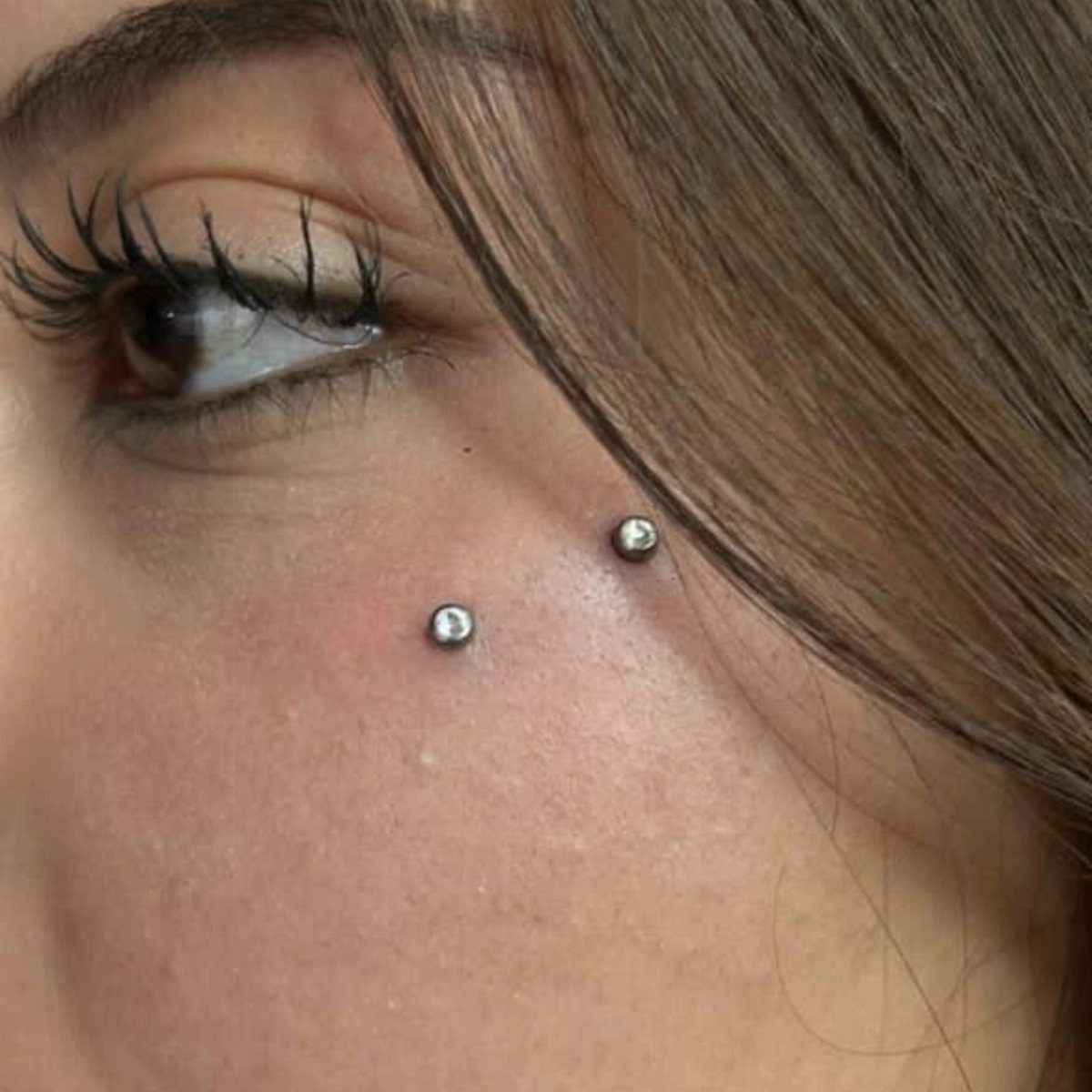
2 small studs set on the cheek, the placement usually called dimple piercings, only work when they sit where a dimple would fall naturally.
Two matching silver studs set close together near the cheekbone keep the look tidy and make the pair read as one design.
Have a piercer mark both spots while you smile, since the cheek moves more than most places on the face.
8. Vertical Labret
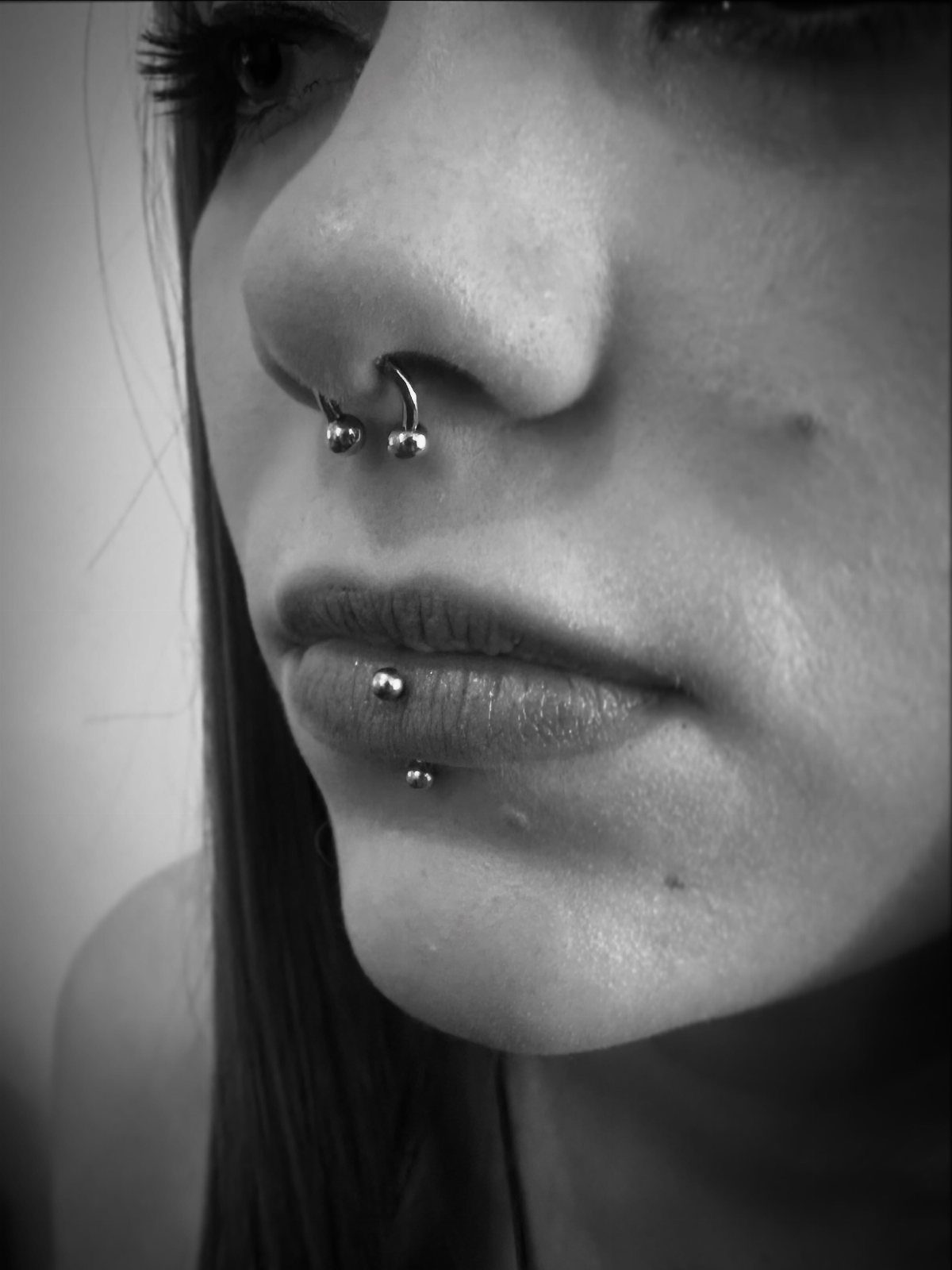
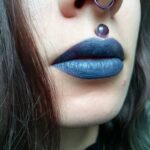
Also called a vertical lip piercing, this one passes up through the lower lip. A ball shows on top of the lip and another sits just beneath it.
I like it with a plain, small design, especially next to a septum ring, since both sit on the face’s center line.
Have the piercer mark the spot while your face is relaxed, then check the dot in a mirror before any needle comes near.
9. Monroe Piercing
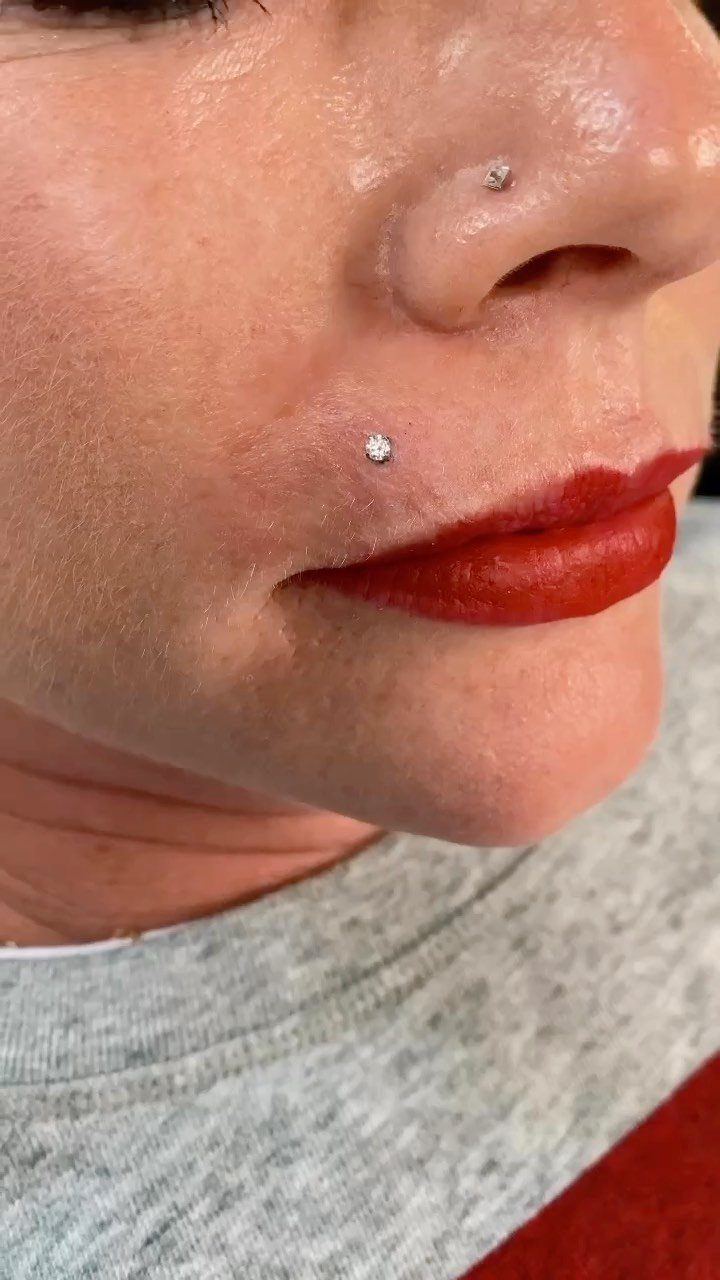
A Monroe goes just above the upper lip on one side, in the spot where a beauty mark would sit. That placement is the whole appeal: it looks like a mark you were born with.
A small stud suits it best, and plain is better here than anything fussy.
Paired with a nostril stud in the same metal, it looks deliberate. Red lipstick makes a good contrast, as this look shows.
10. Anti-Eyebrow Piercing
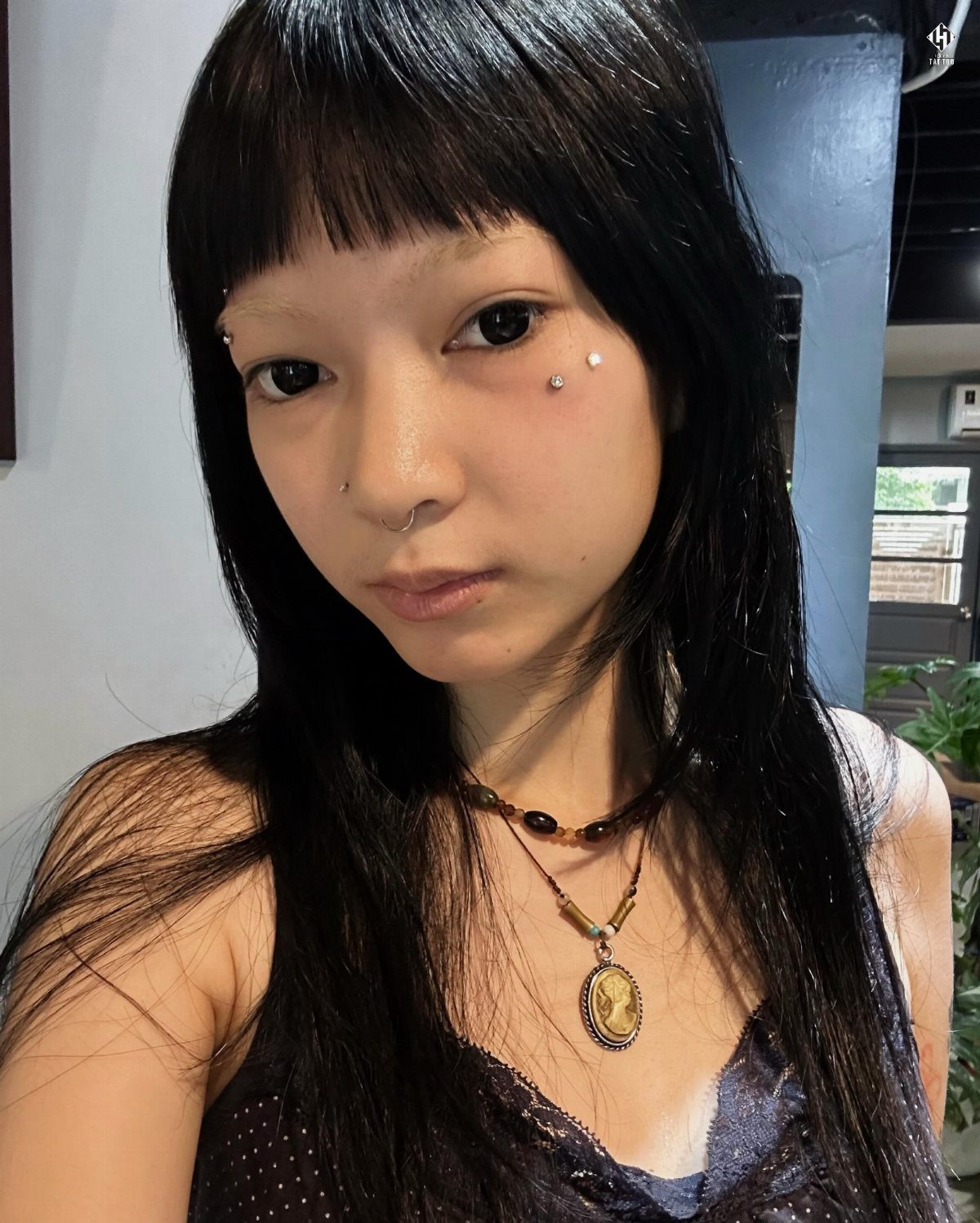
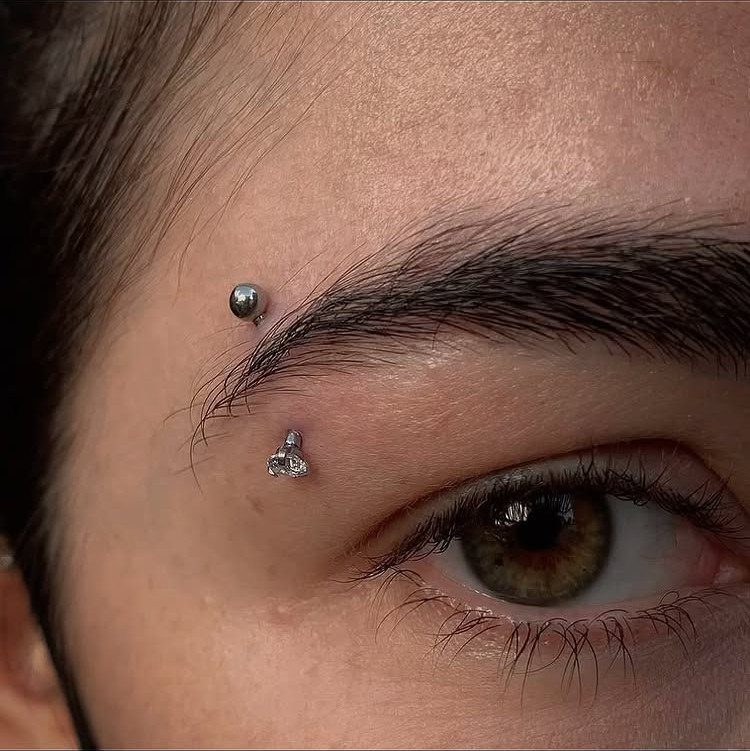
The anti-eyebrow piercing sits high on the cheekbone, just below the eye, and mirrors where a brow piercing would go above it.
Because it sits so close to the eye, I would choose the spot carefully with a piercer rather than copying a photo.
Dark hair and bangs frame it nicely. Pairing it with a nose ring keeps the face balanced.
11. High Nostril

A high nostril piercing sits higher on the nose than the classic spot, which gives a small stud a different line across the face.
I like it paired with a septum ring, since the two together frame the nose without crowding it.
Settle the exact height with your piercer, because a few millimeters change where the stud lands. A simple stud keeps it easy to wear.
12. Cheekbone Piercings
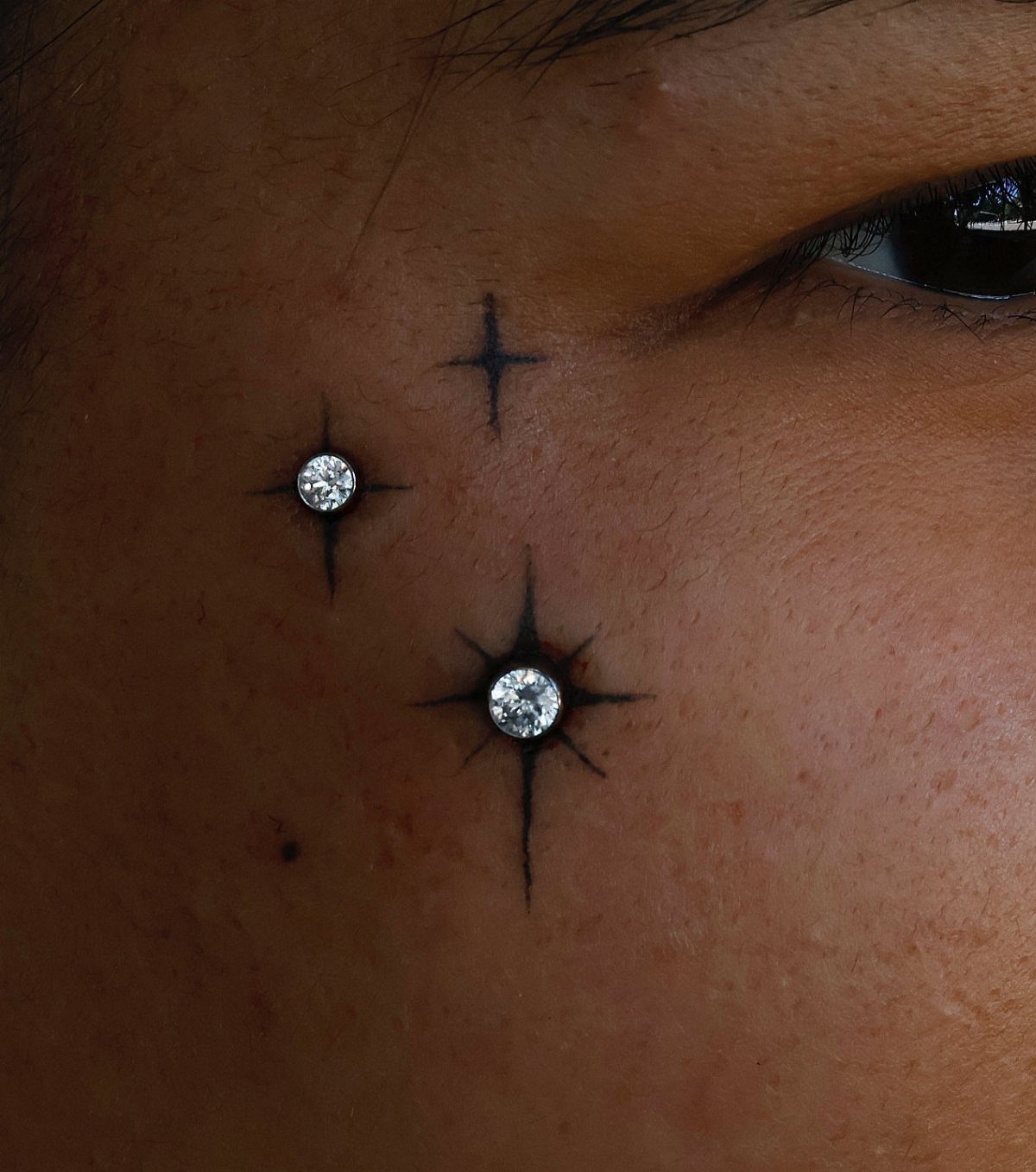
Cheekbone piercings are small studs set along the bone, and a pair of diamond-style studs gives a subtle sparkle that catches light without shouting.
Matched studs spaced evenly work best, since any tilt shows on a flat surface like the cheek. A tiny tattoo nearby, like a star, can echo the studs, though I would plan both together so they do not compete.
13. Philtrum Piercing

Medusa is the other name for this one, and it fits: a single stud sits in the groove above the upper lip, directly under the nose.
Centered placement leaves no room for error, so ask the piercer to mark it while your face is relaxed.
I would pick a small flat-backed stud over anything large. The spot is dead center, and a simple stud lets the symmetry do the work.
Szumski points out that surface piercings can be challenging, as sometimes the skin just pushes them right out.
— Allure
14. Snake Bites
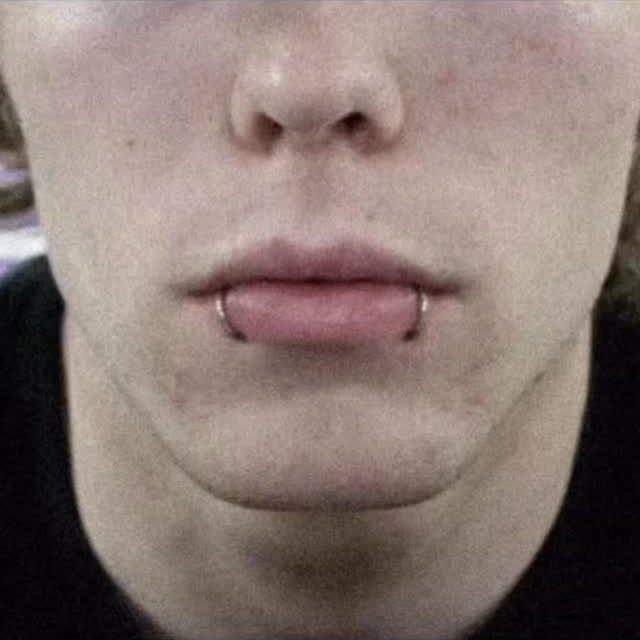
Snake bites are 2 piercings set on either side of the lower lip, and the pair only works when they mirror each other. Ask your piercer to mark both spots and check them in a mirror before anything starts.
Hoops give a pair like this its edge, but I would choose matching jewelry in one metal so the two read as a single design. Silver suits most skin tones and keeps the look clean.
15. Third Eye Dermal Piercing
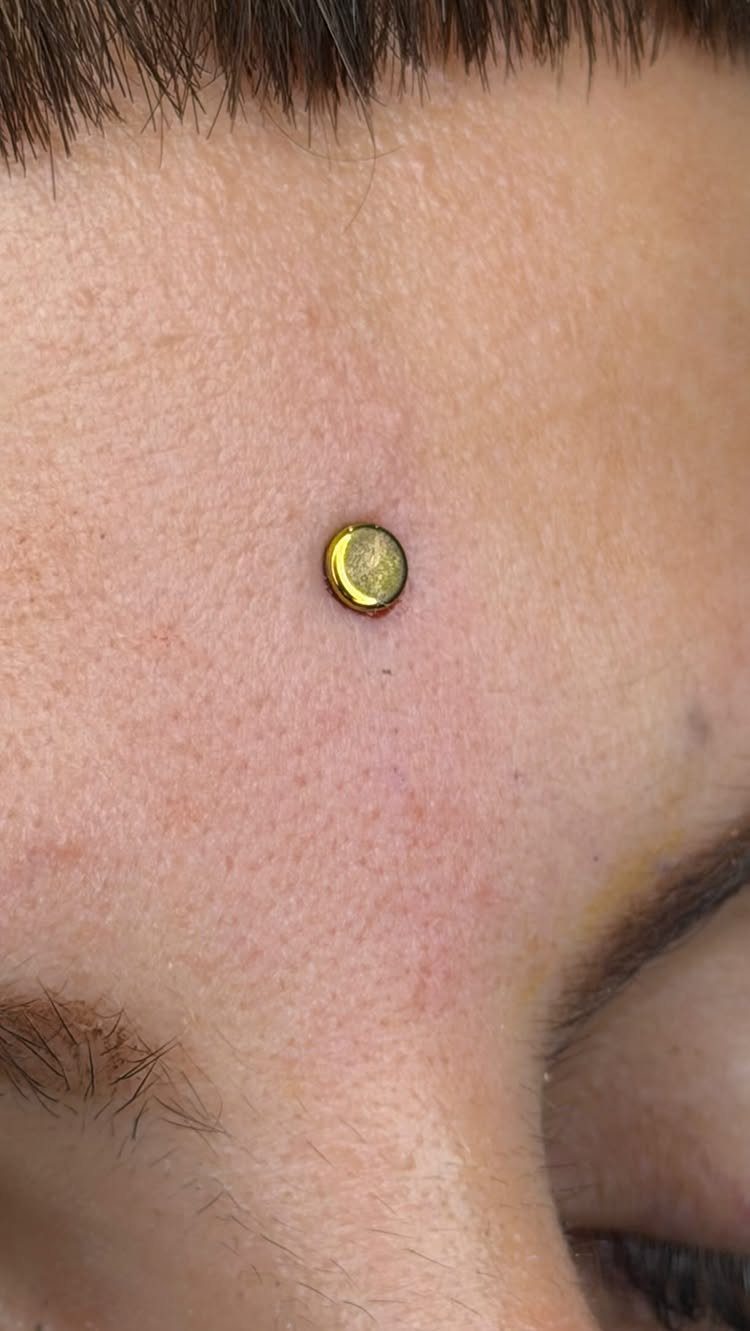
Placed in the center of the forehead between the eyebrows, a third eye dermal is a single stud with no second end showing, so the whole piece is one small point of metal.
Because it is centered, even a slight tilt is obvious.
Have the piercer mark it while you look straight ahead. Gold-toned metal looks warm and deliberate here, and a single stud works better than adding more around it.
16. Tongue Piercing
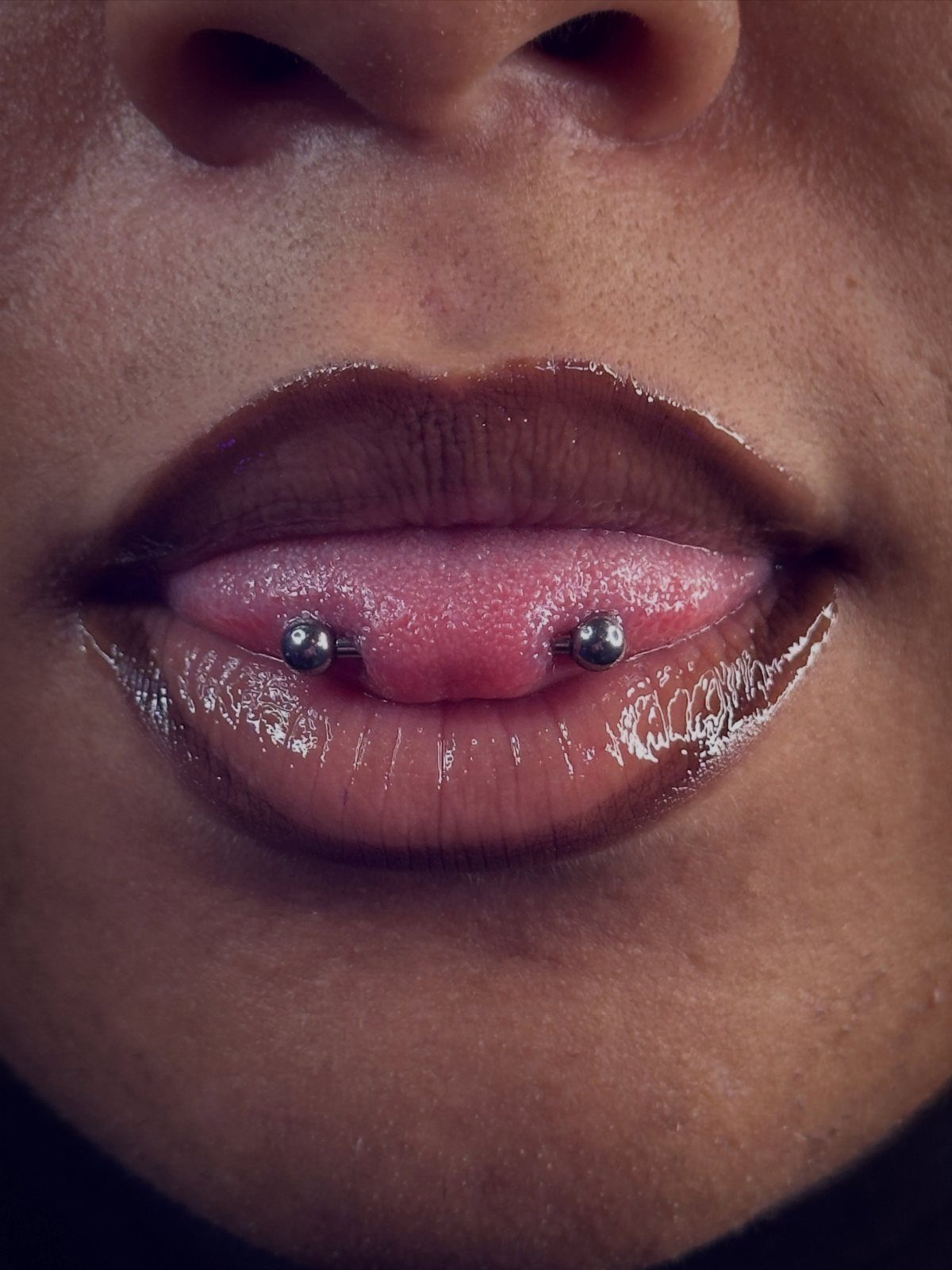
A tongue piercing is a barbell through the center of the tongue, with a bead at each end. Silver beads like these keep it neat, and the piercing stays hidden until you talk or laugh.
That privacy is why I like it for anyone with a dress code. It also pairs easily with a nose or lip stud in matching metal, so the whole set looks planned.
Healing Times for Piercings
Plan on 6–8 weeks as the baseline, since that is the average for most lip and eyebrow piercings and for a septum. Bridge and cheek piercings run longer, at 8–12 weeks or more, so budget extra patience for those.
Healing varies from person to person, so a piercing that looks calm at week 6 may not be ready for a jewelry change.
Aftercare is the same whichever spot you choose:
- Rinse the piercing with sterile saline spray 2 times a day, and skip the cotton swabs and homemade salt mixes.
- Keep unwashed hands away from it.
- Leave the jewelry alone: no rotating, no removing.
- Skip makeup around the site.
- Stay out of swimming pools and hot tubs.
For new piercings, I would start with titanium, or with 14kt or 18kt gold if it is implant-grade.
Surgical steel costs less, but I would hold it for after the piercing has fully healed, since the cheaper alloys tend to irritate fresh tissue. Avoid nickel and low-quality metals, which can cause irritation or an allergic reaction.
Pain Levels of Piercings
Pain is personal, so treat any number as a rough guide.
The general order for the face puts nostril and septum at the gentle end when done correctly, eyebrow and lip piercings in the middle, and bridge and cheek piercings at the harder end.
One published scale rates a nostril piercing 6/10 and a septum 8/10, which doesn’t match the general order.
Since the 2 sources disagree, I would not pick a piercing on pain alone. A skilled piercer matters more than the placement.
Healing time is worth weighing next to pain. That same scale lists a nostril at 4–6 months and a septum at 5–8 months with proper aftercare, far longer than the 6–8 weeks you’ll see quoted for a septum elsewhere.
Your piercer can tell you which timeline to expect for your anatomy, so put that question to them before you book.
Jewelry Options for Piercings
Studs, hoops, and barbells each suit different spots, and the right one depends on how far along the piercing is.
Start with a stud or barbell, because it sits still while the tissue settles. Hoops belong later.
Placing several piercings close together, or stacking them in a cluster, gives the face a look that feels like yours alone. Plan the whole set before you add the second one, so each piece has room.
Quality matters more than style. Choose implant-grade titanium or 14kt or 18kt gold for anything fresh, and keep the metal consistent across the set.
Take your time with the choice. A professional piercer can recommend the right jewelry for each placement, and the best results come from patience, good jewelry, and careful aftercare.
Frequently Asked Questions
What is the most popular face piercing?
The nostril piercing is generally considered the most popular.
It’s the classic nose piercing, and a small stud works well to start. A hoop is best saved for later, once the piercing is well past the early healing stage.
What is the most painful piercing to get on your face?
Bridge and cheek piercings sit at the harder end of the pain range, while nostril and septum piercings done correctly are the gentlest, with eyebrow and lip piercings in the middle.
Since rankings disagree, I wouldn’t pick a face piercing on pain alone, because an experienced piercer makes more difference than the spot you choose.