Size decides which of these first tattoos is yours: Minimalist Lines, Initials or a Tiny Heart need almost no space, while a Wave or a Lotus has enough detail that I would not shrink it to coin size.
The list runs from quiet one-line pieces to color work like the Hummingbird and Sunflower, and color is where the upkeep sits, since it fades faster than black and calls for a refresh every few years.
Pick the placement first, then the style that holds up at that size.
1. Butterfly
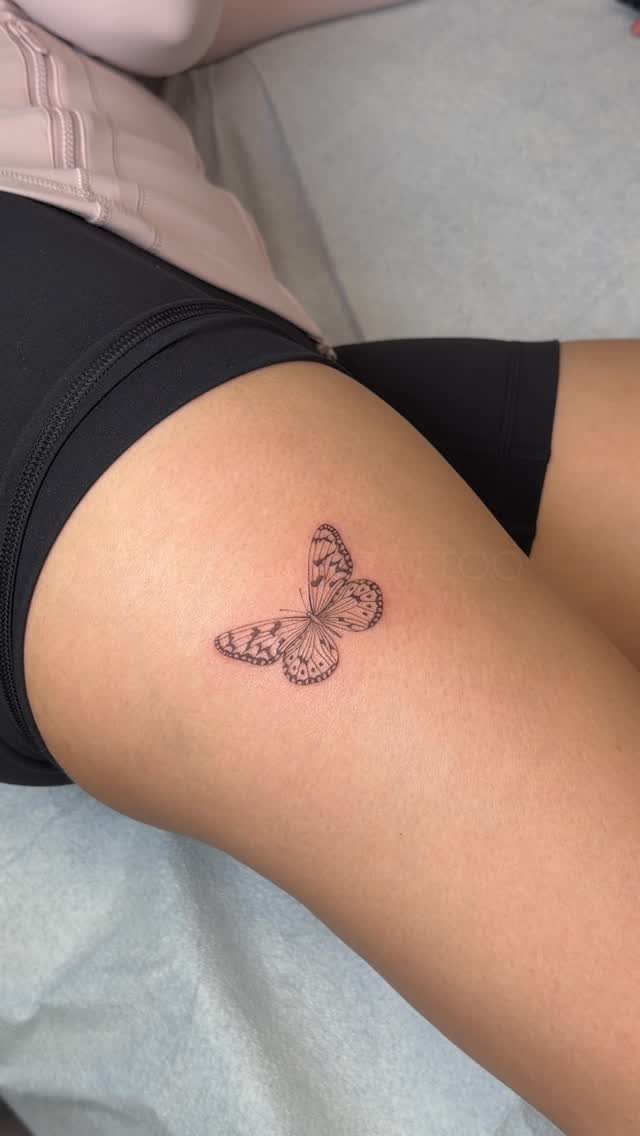
A small black butterfly sits well on a spot like the upper thigh, where clothing hides it or shows it as you choose.
Butterflies stand for transformation and beauty, which is a big part of why they work as a first tattoo.
I would keep the wings in solid black ink with clear gaps between the shapes. Detail packed too tightly tends to blur as skin ages, and a small piece has little room to spare.
2. Flower
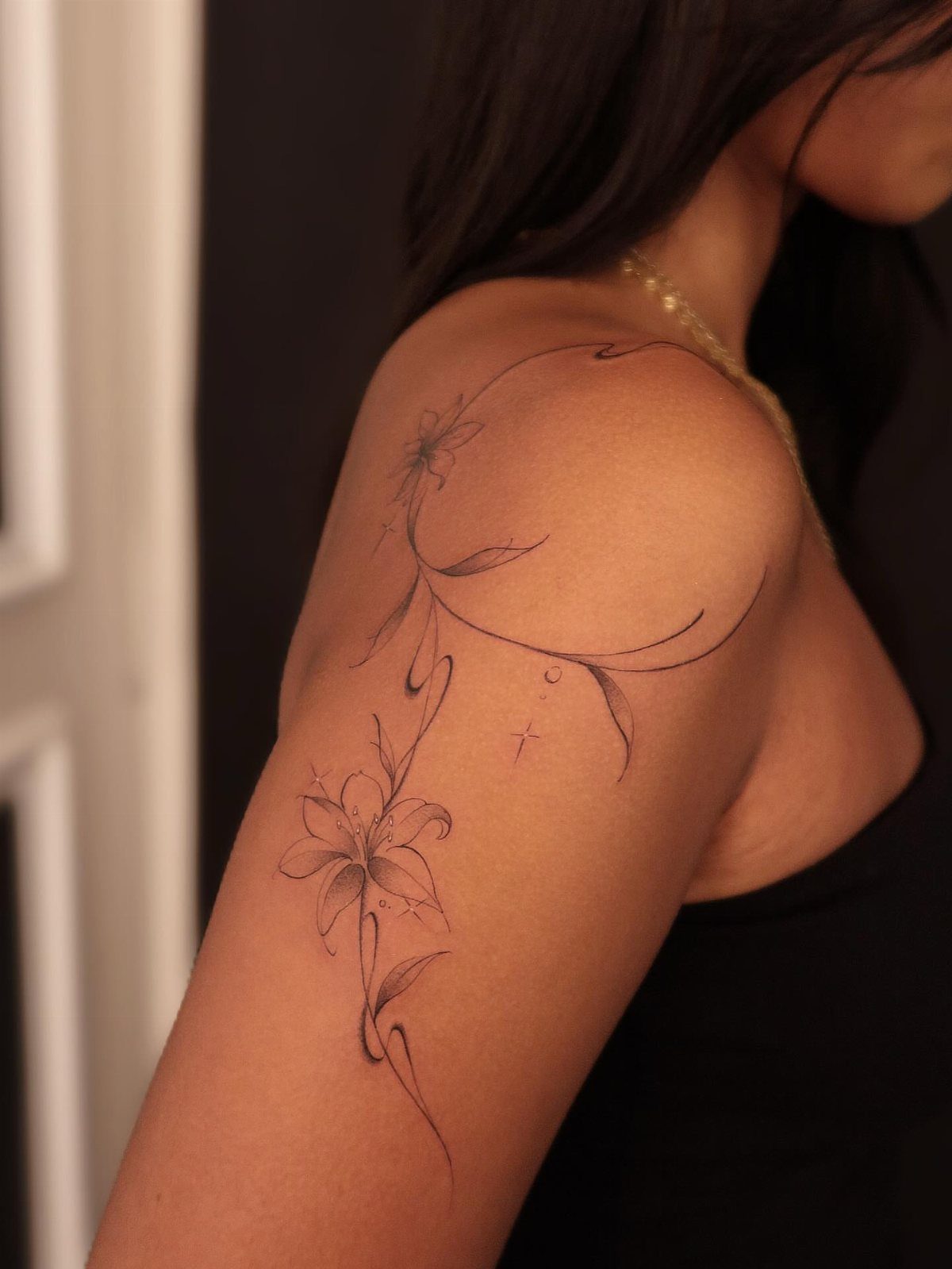
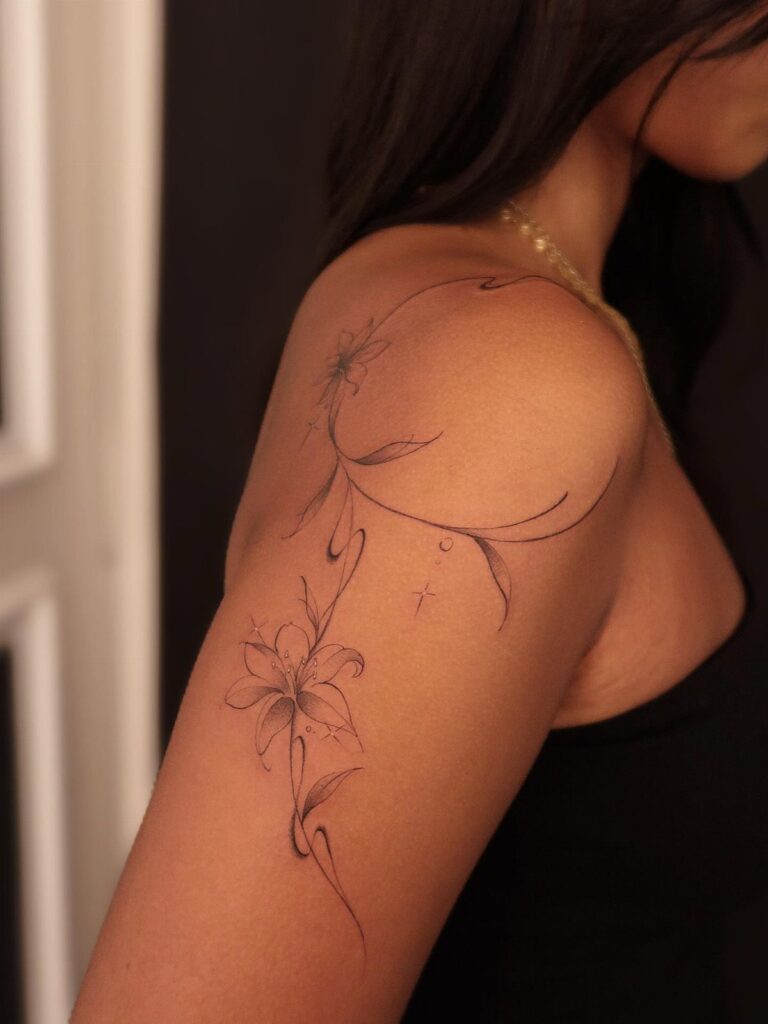
Flowers read as timeless and feminine, and the choice of bloom does most of the personalizing.
Pick the flower that means something to you, then let the artist adjust the size to fit the shoulder or upper arm.
I like fine line for this, though a quick talk with your artist about how it holds up on skin like yours is worth having before you commit.
3. Sunflower
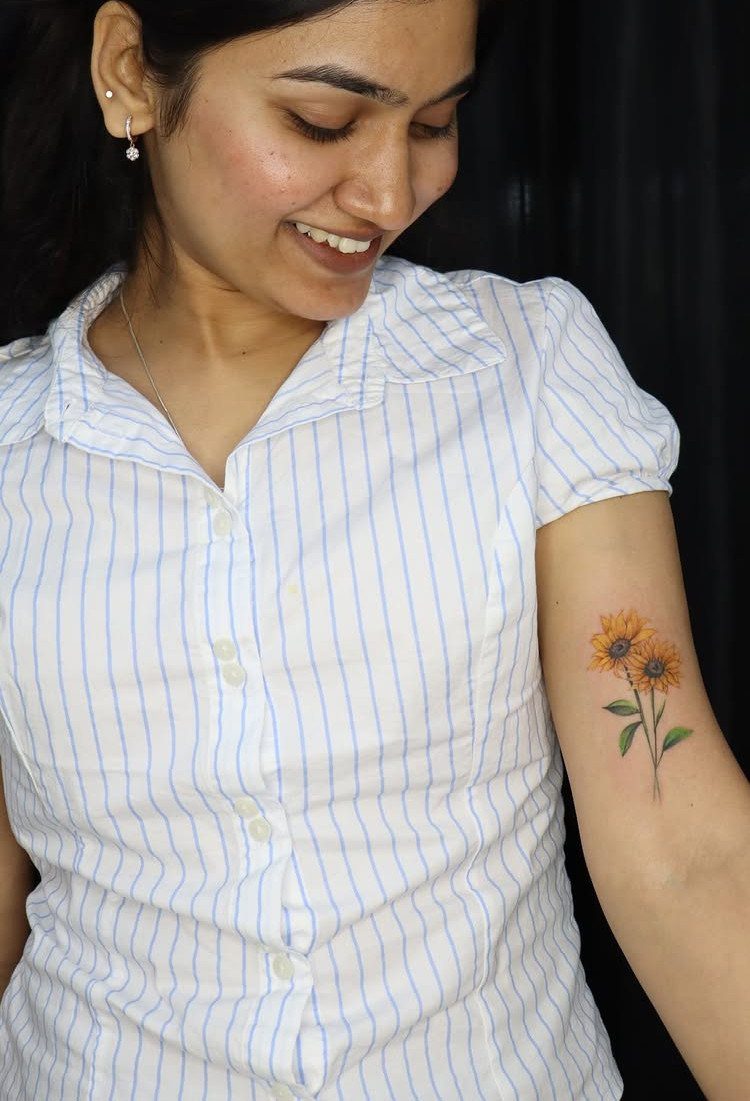
2 yellow sunflowers on the upper arm give a first tattoo some color without a huge commitment. The flower stands for positivity and warmth, so the meaning is easy to live with.
Yellow needs a design with a bit of dark outline or green worked into it. Color alone can look soft as the tattoo ages, and I would rather see the petals anchored by firm edges.
4. Crescent Moon
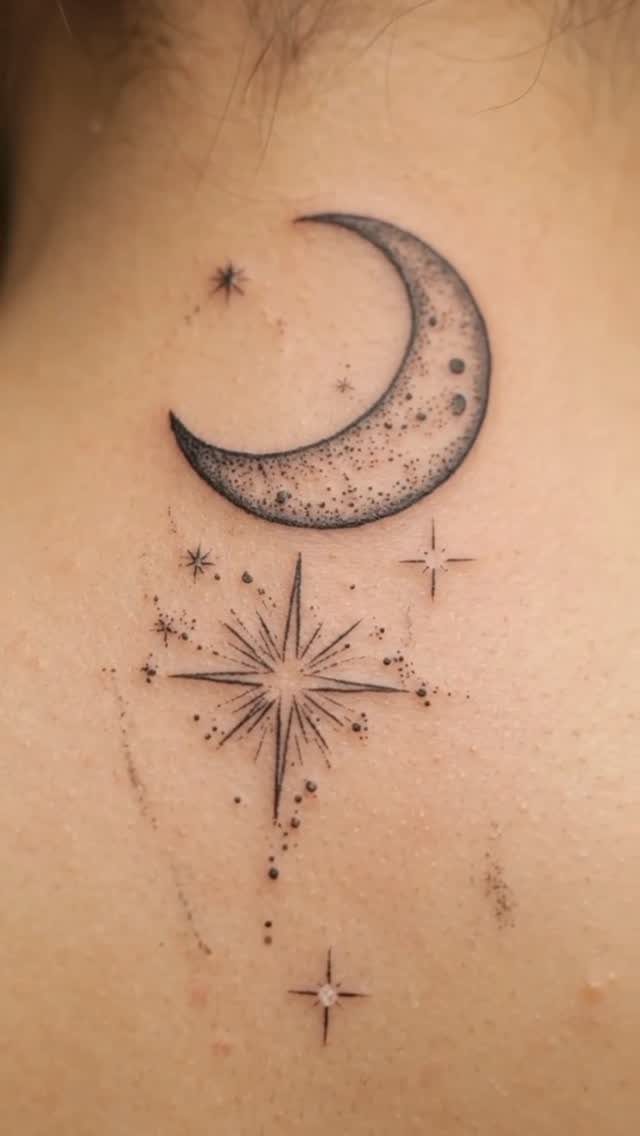
Crescent moons carry a feminine, versatile feel, and small stars and dots let you scale the whole thing to the space you have. A neck or chest placement suits the shape well.
I would keep the dots few and spaced out. Too many tiny points can read as specks on fair skin, while a clean crescent with one or two stars stays crisp.
5. Initials
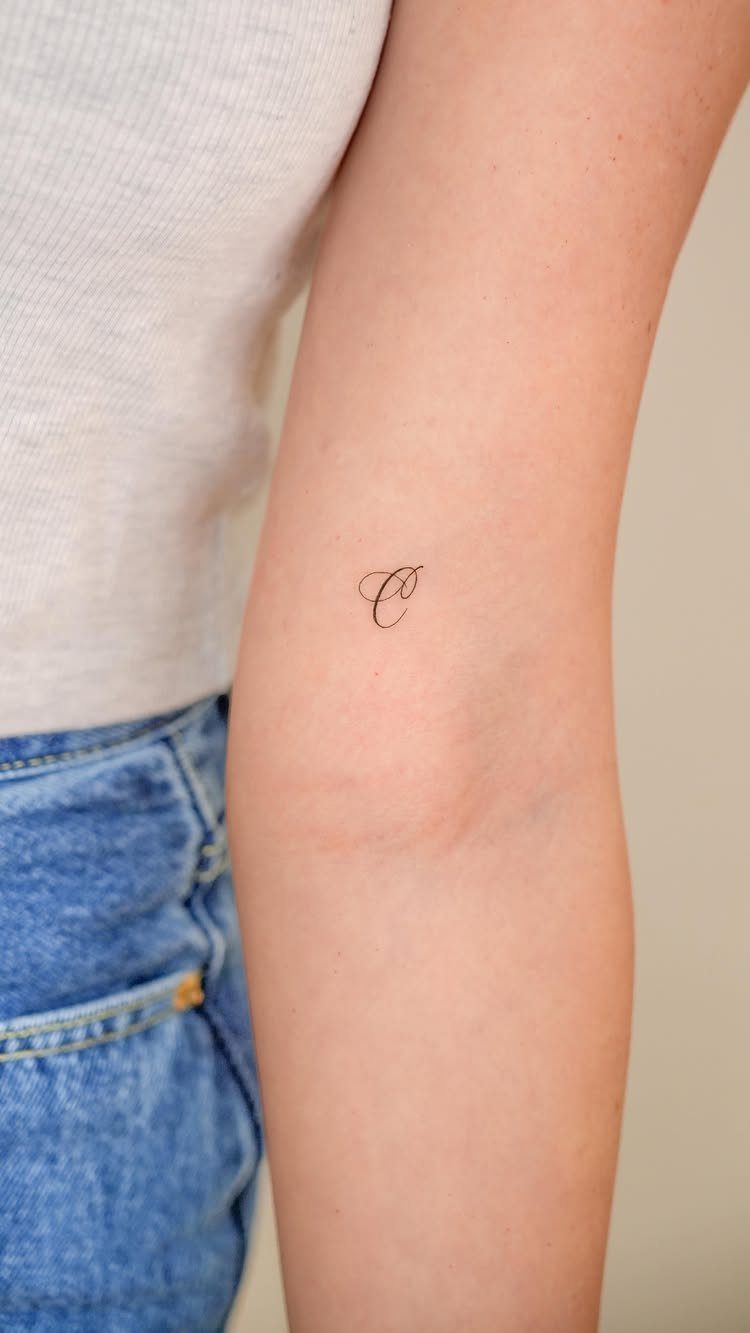
A single cursive letter is about as discreet as a tribute gets. One initial on the inner arm tells the story of a loved one to anyone who knows, and to nobody else.
Choose the script carefully, since it carries the whole design. I would pick a lettering style with a little breathing room in the loops, then check the stencil on your arm before any ink goes in.
6. Minimalist Lines
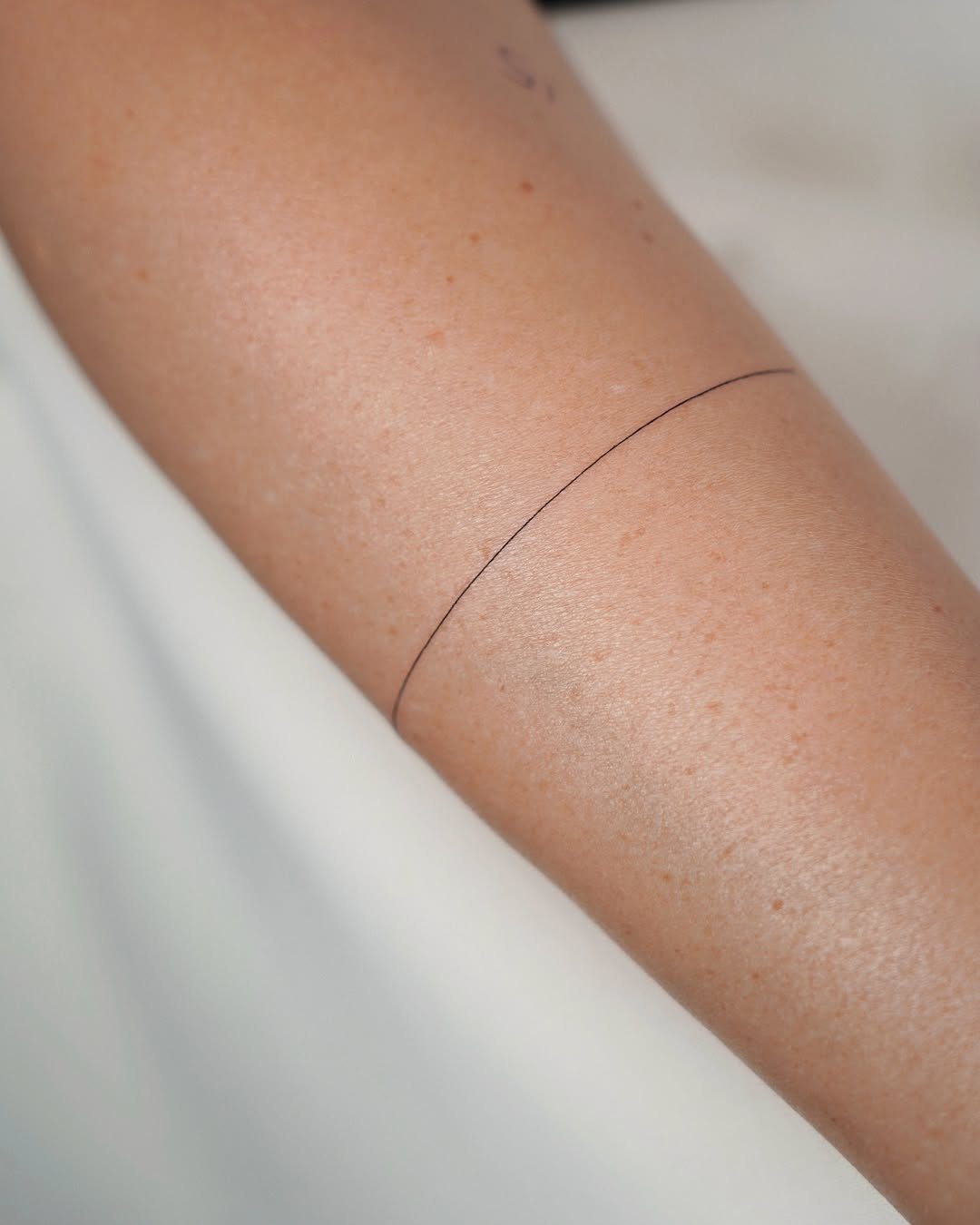
One thin black line circling the wrist is the simplest tattoo here, and it looks modern for exactly that reason. It suits a first-timer who wants something quiet.
A single line leaves no room for wobble, so the artist’s steadiness matters more than any design choice. I would ask to see healed line work before booking, and make sure the circle meets itself cleanly.
There are not a lot of reasons you’d ever come to hate three little thin lines or dots on your ankle, and because of this, minimalist lines can be a great first tattoo design.
7. Coordinates
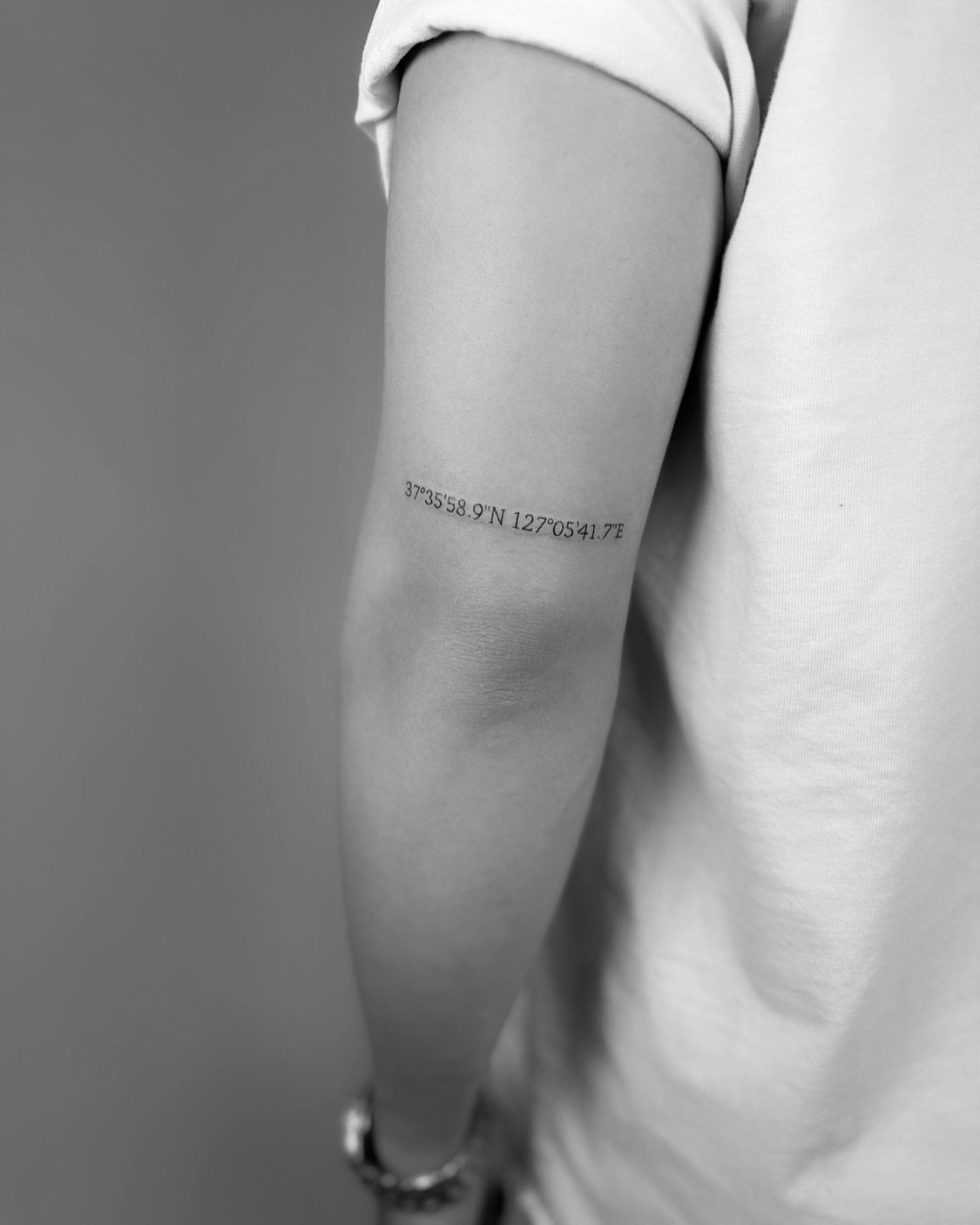
Coordinates turn a place into a line of numbers, and only the people who know to look them up will read it.
The ones on this upper arm are set in a clean, plain black font, which is the right call for digits.
I would keep the type simple and give the numbers some space.
Check every digit, the degree mark and the N and E against the map before any ink goes in, because a typo here is permanent and easy to miss.
8. Tiny Heart
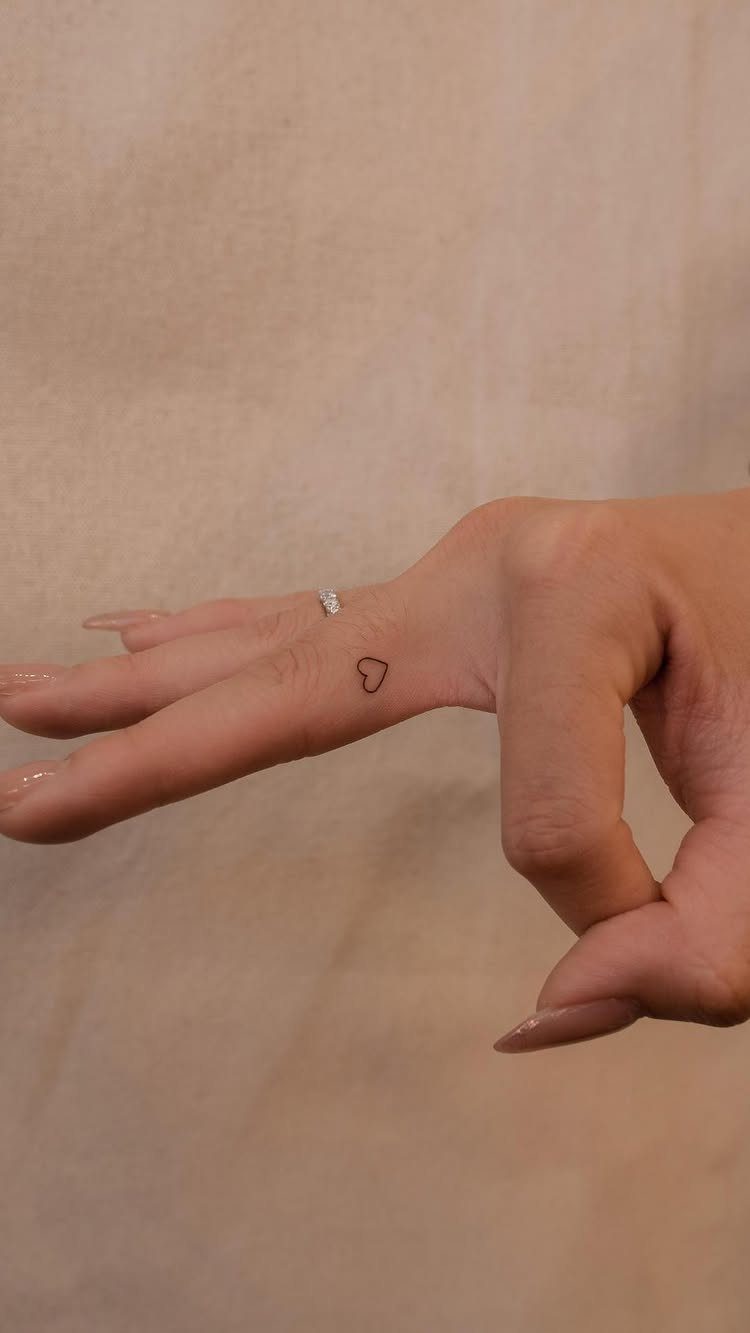
A small outline heart on the side of a finger is about as plain a symbol of love as you can get. It sits beside a ring without competing with it.
Fingers are tricky places for fine work, so I would keep the outline simple and check with the person tattooing you about how it holds up there.
Expect to want a touch-up at some point, and treat that as part of the plan rather than a failure.
9. Wave
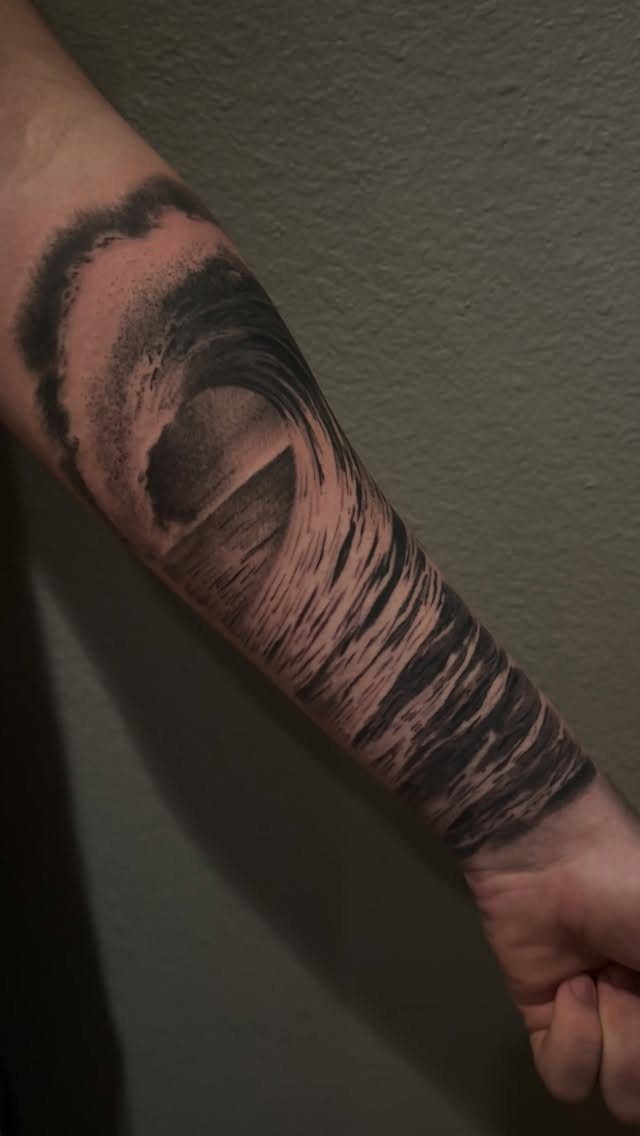
Black and grey realism gives a crashing wave real weight, and the forearm offers a long, flat surface that suits the curl of the water. Waves stand for freedom and adventure.
Realism needs room, so I would not shrink this one to coin size.
Request a healed example of smooth gray shading, since that is where this style succeeds or falls apart. Pick someone who does it often.
10. Feather
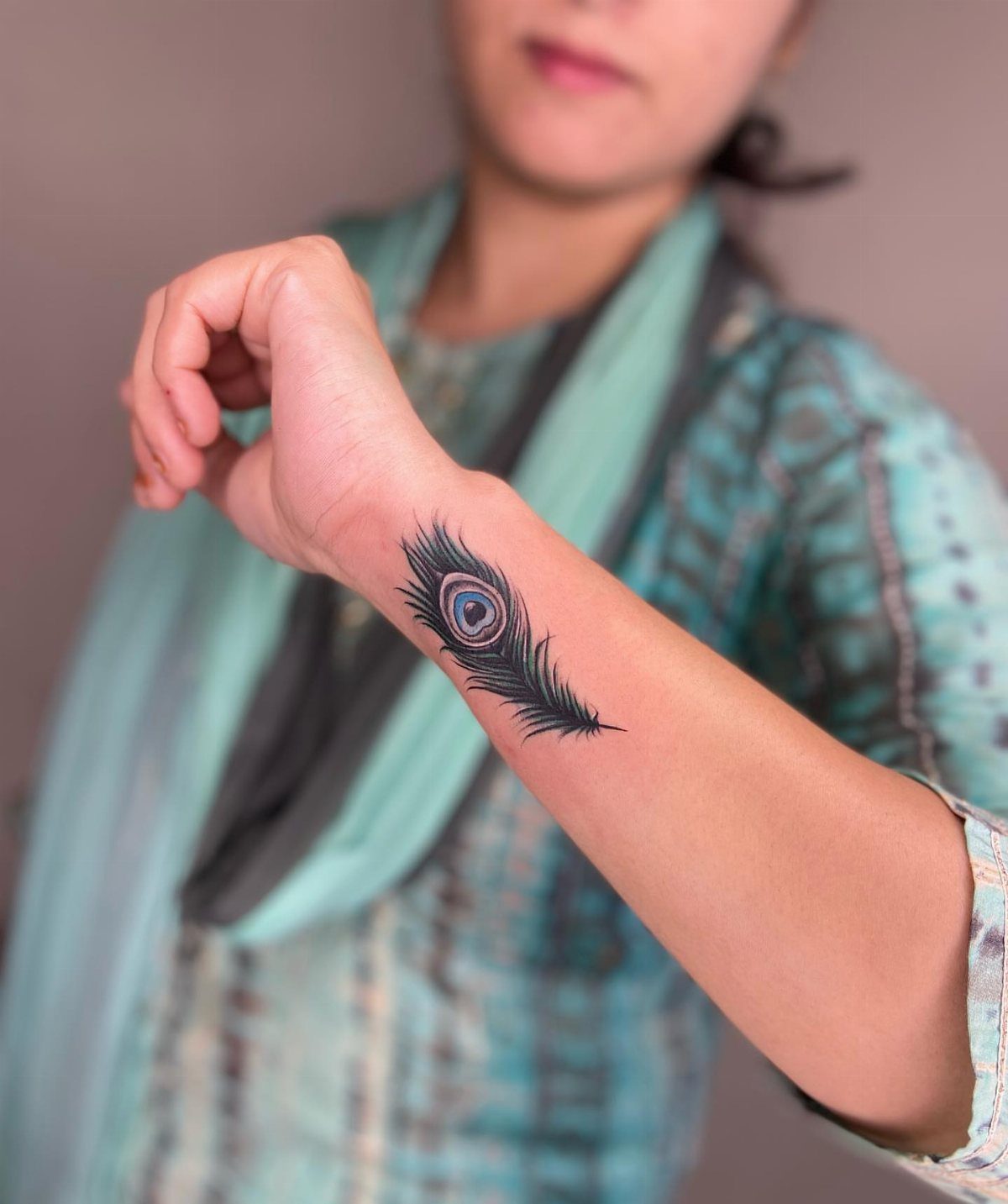
Feathers carry ideas of freedom and spirituality.
Color asks more of you than a black feather would. I would keep dark lines through the barbs so the blue stays defined, and plan on color touch-ups down the road.
11. Lotus
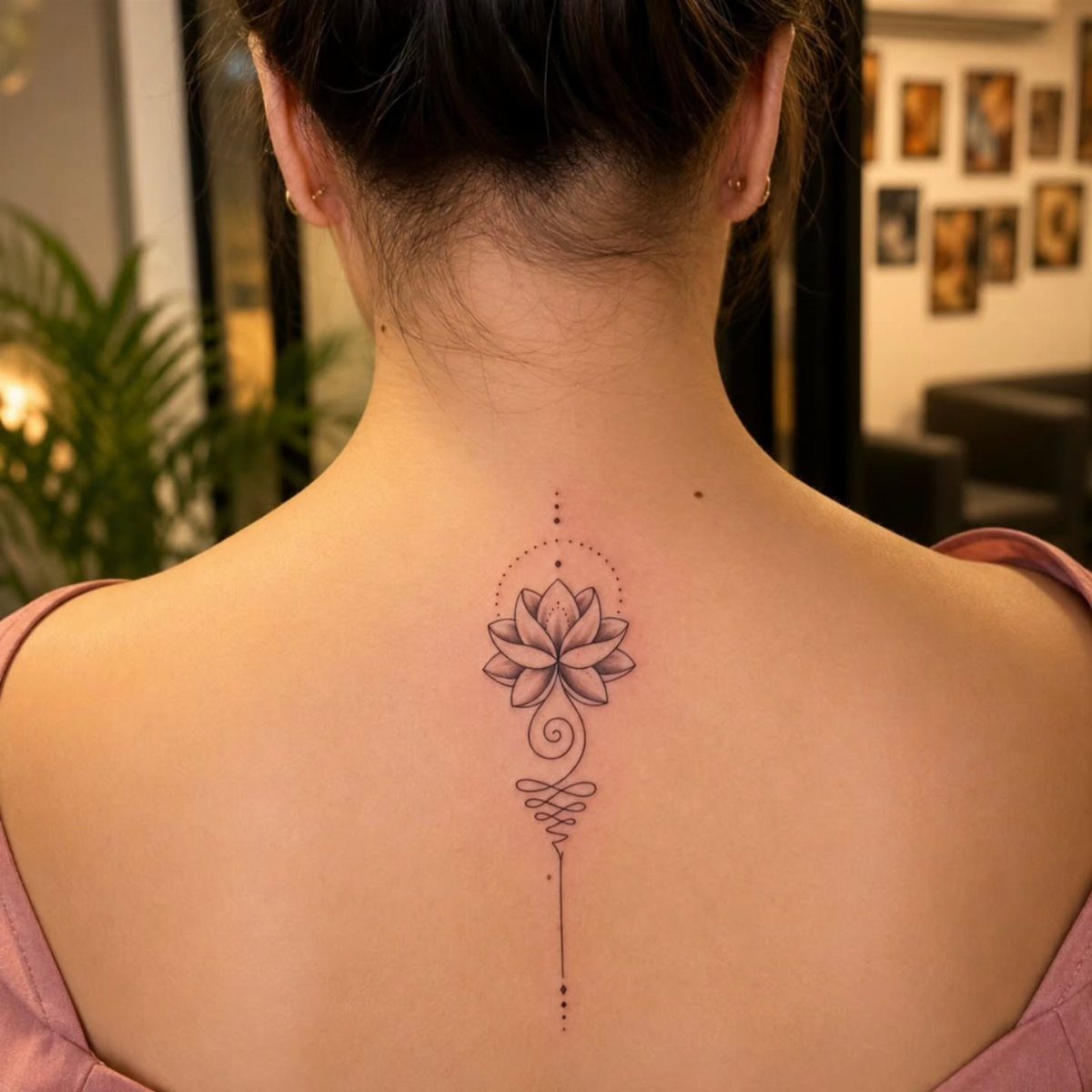
A lotus in black ink with geometric accents sits naturally on the upper back and neck, where the symmetry of the petals follows the line of the spine. It stands for purity and spiritual awakening.
I like the decorative line work here, though I would keep it bold enough to survive the years. Mirror the flower on the center of the back, and ask for the stencil to be checked while you stand straight.
12. Cat
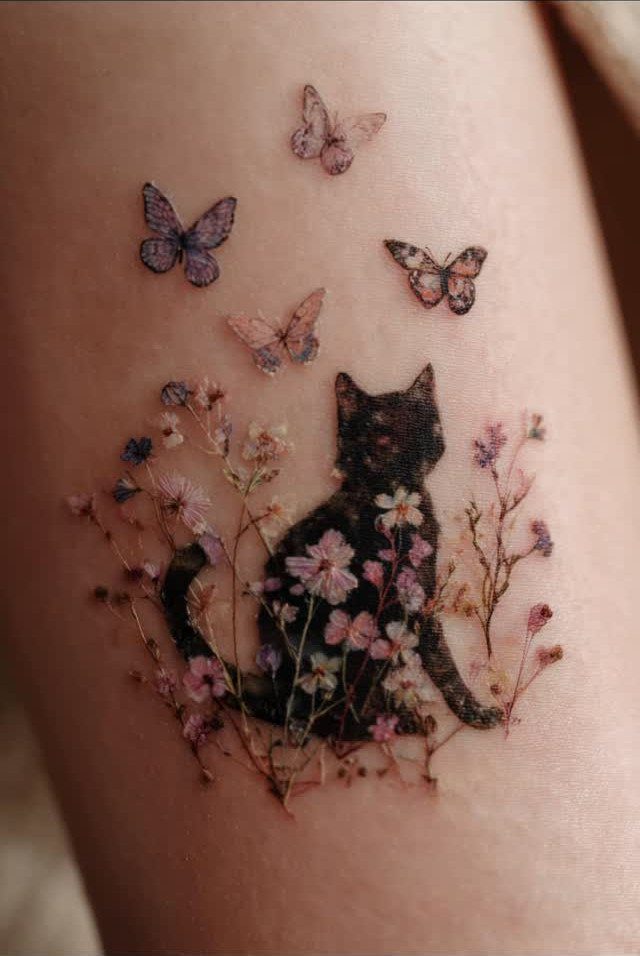
The solid black shape holds the whole piece together.
Solid black reads clearly for years, while pastel color tends to fade sooner, so ask your artist how to place the pink and purple with that in mind.
13. Dog Paw Print
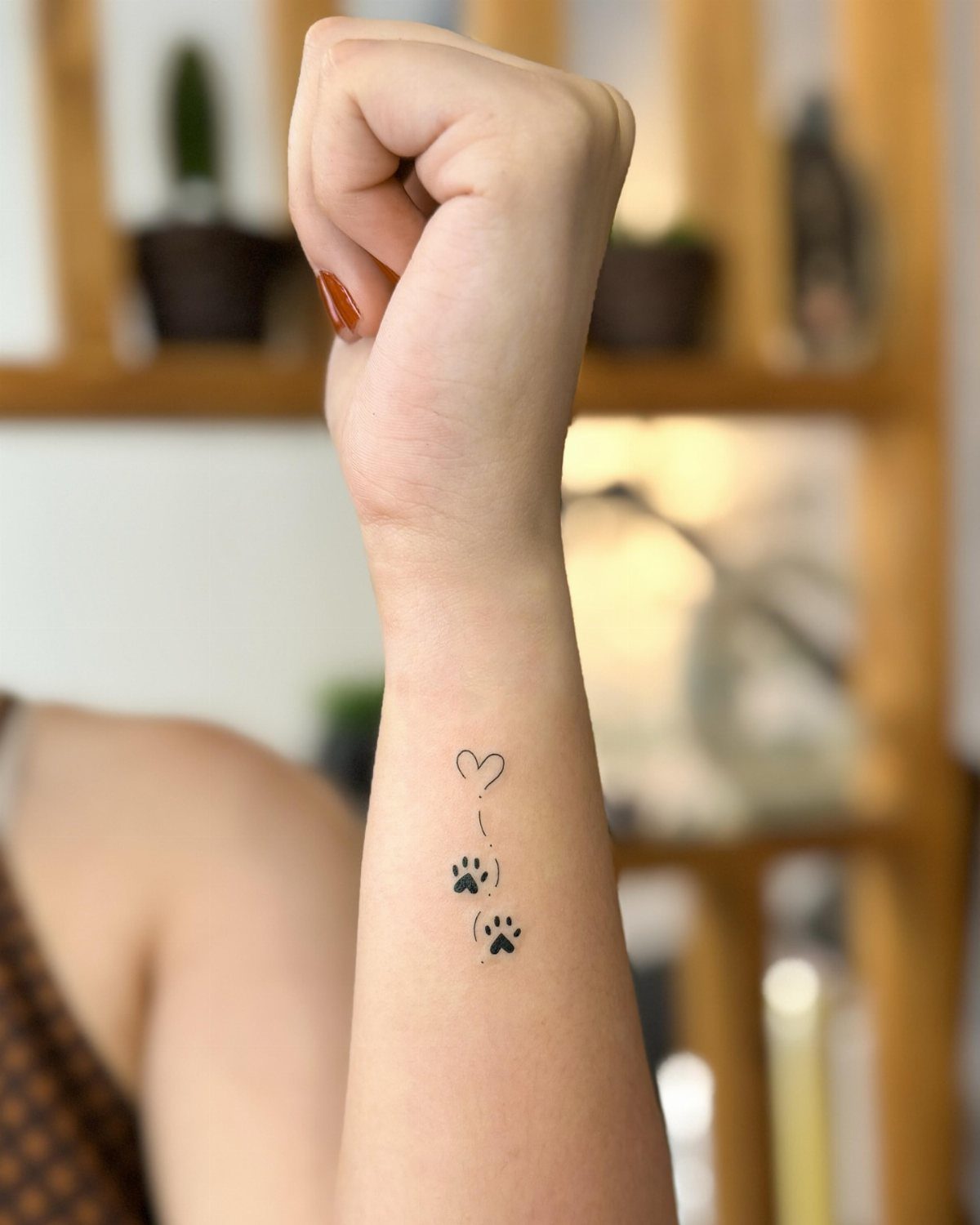
Paw prints beside a small heart say "my dog" without a single word. Two paws and one heart on the inner wrist make a tidy trio that fits a first tattoo.
Solid black paws, an outlined heart and a clear gap between each of the 3 shapes will keep the design clean as the lines settle over the years.
Tiny shapes crowd quickly, so ask the artist to size the paws large enough that the pads stay separate.
14. Hummingbird
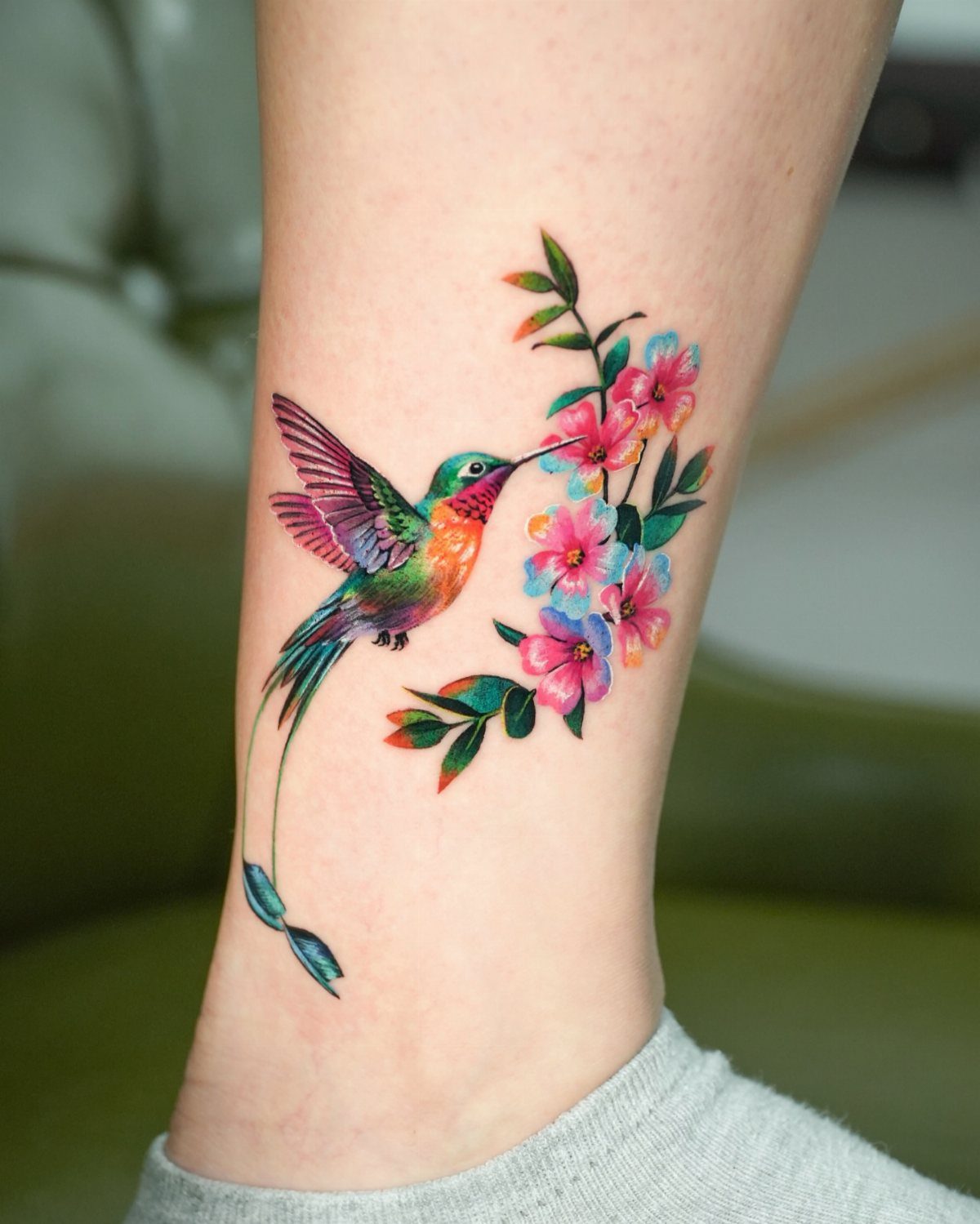
Joy and love are what a hummingbird stands for, and a pink-flowered version on the ankle gives that meaning a soft, colorful frame.
Colored ink fades faster than black, so a hummingbird in bright shades will need a refresh every few years to stay sharp.
Dark outlines around the bird and petals keep the shapes firm as the ink settles, and I would check with the artist on how the pink will age on your skin.
15. Meaningful Date Tattoo
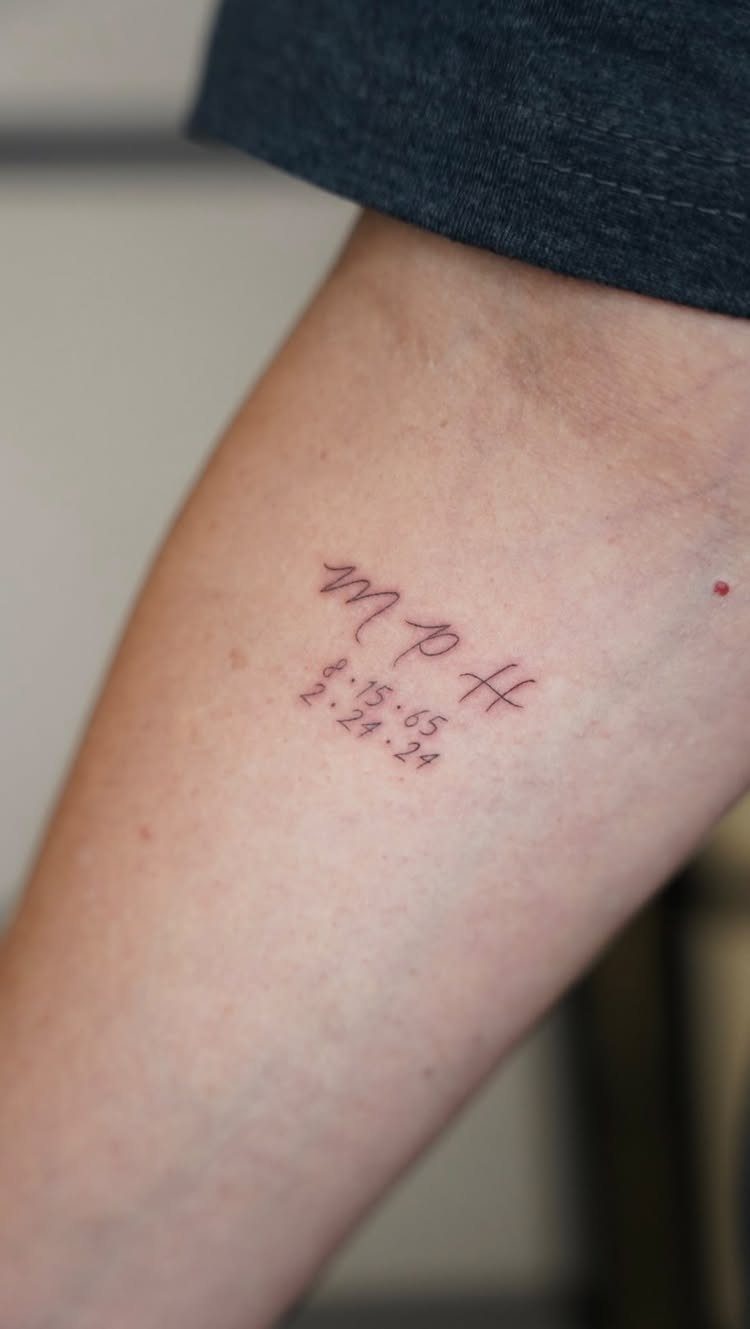
Initials with 2 dates, written out as numbers, tell a story at a glance in a way Roman numerals never do. Nobody has to decode the numerals; the memory is right there.
Red ink on the forearm looks bold and personal, though I would ask the artist how red holds up over the years.
Check every digit and the dot between them against your records before the needle starts, because a wrong date cannot be undone.
16. Turtle First Tattoo
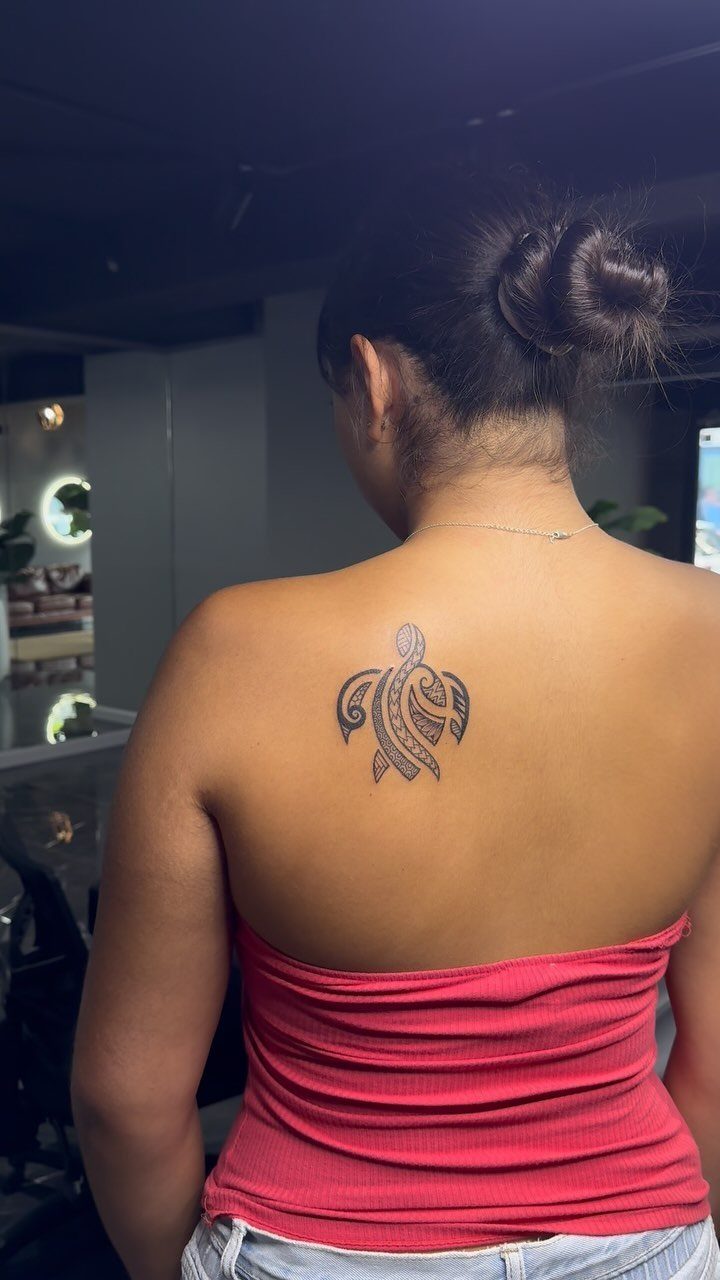
A sea turtle in black ink on the upper back suits a first tattoo well, since the flat surface gives the shell room to breathe.
I would keep the shell pattern bold and open, with no tiny cross-hatching that could blur. Hair up or a covering top hides it whenever you like.
17. Bumblebee First Tattoo
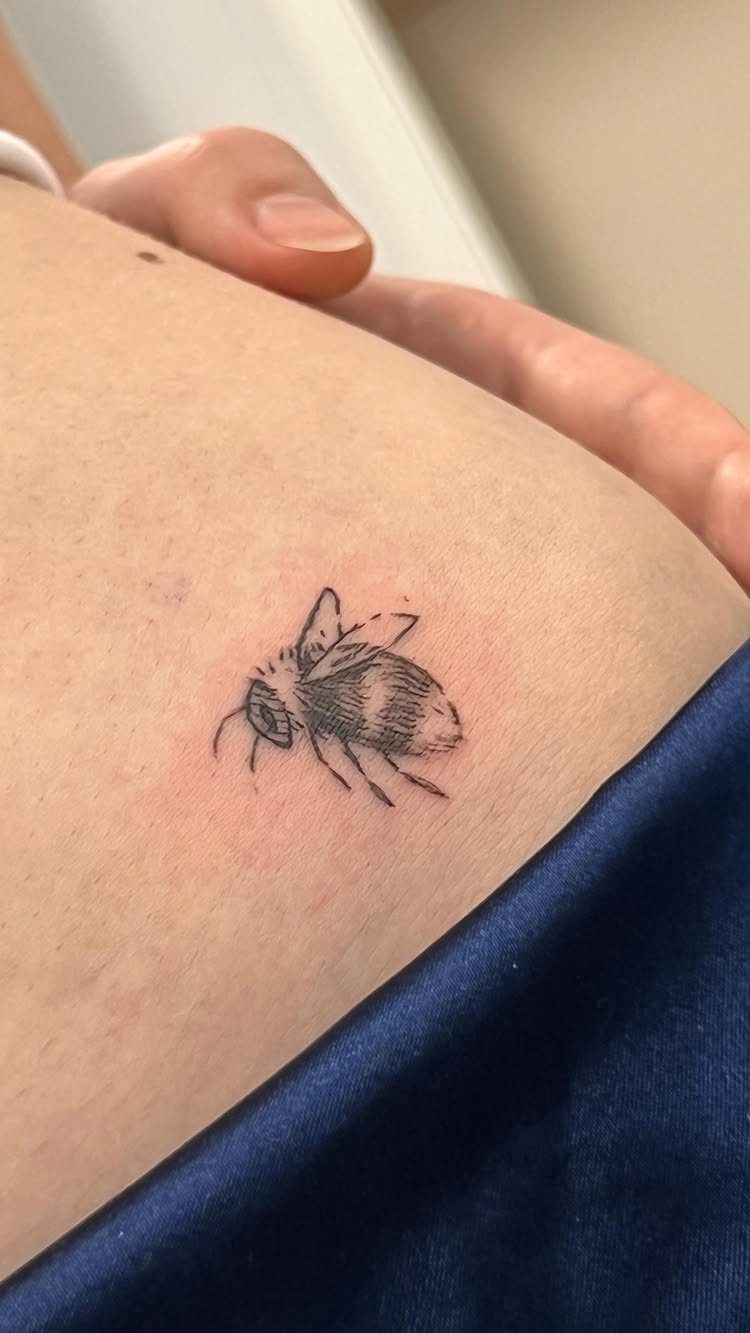
A tiny bee holds up well at a small size, and it carries an easy meaning of hard work and close community. That makes it a smart pick if you want something small.
Solid black does the job here.
Thick stripes and plain wings are my pick for a bee, because fine detail is the first thing to blur on fair skin. Ask for a stencil before you commit.
18. Paper Airplane Tattoo
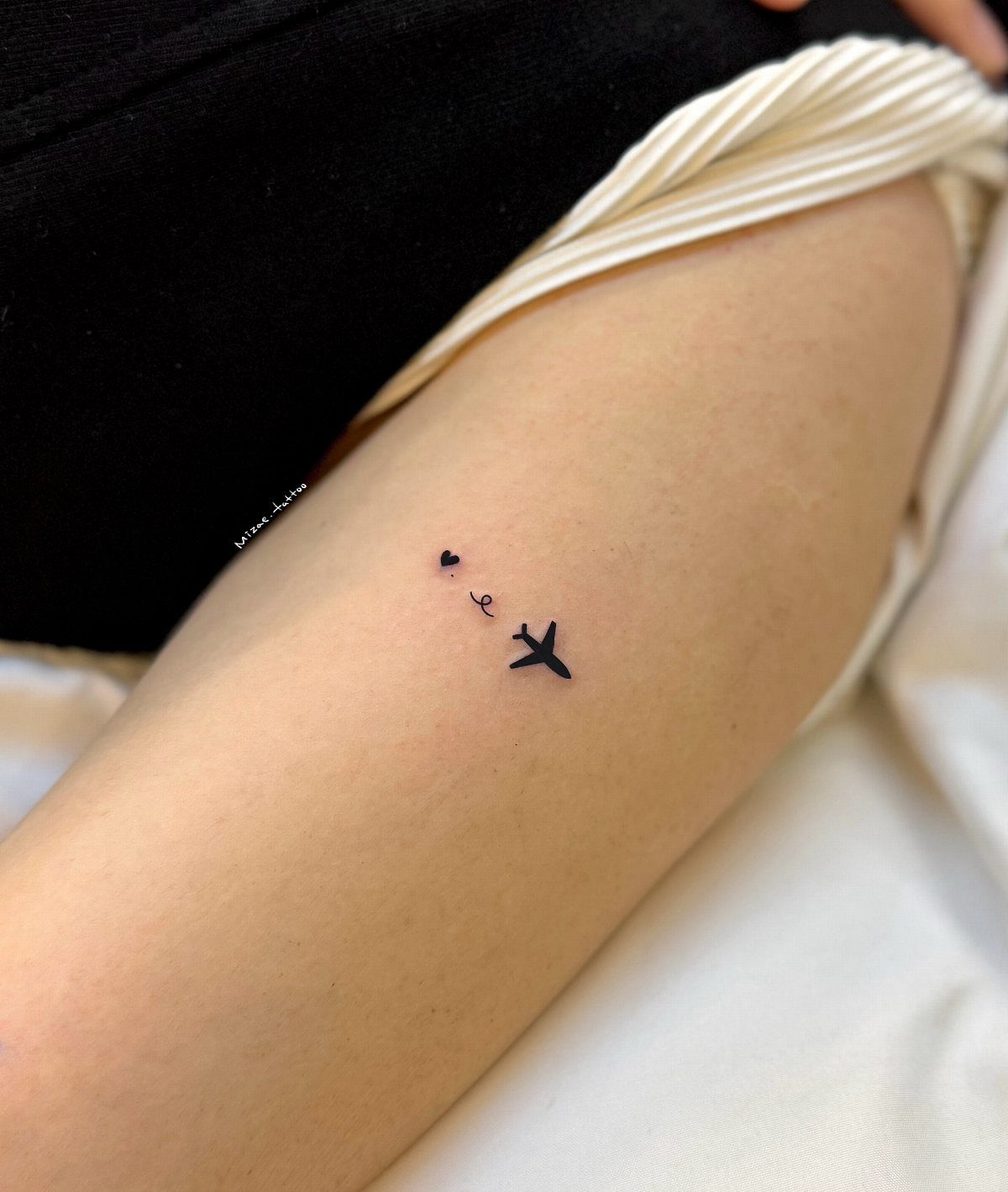
A paper airplane is a playful pick, and a dotted trail that ends in a small heart adds a hint of travel and love.
I would keep the dots evenly spaced and few, so they read as a path rather than specks.
The thigh offers plenty of room for the trail to run, and a clean black outline keeps the folds of the plane easy to see.
19. Star
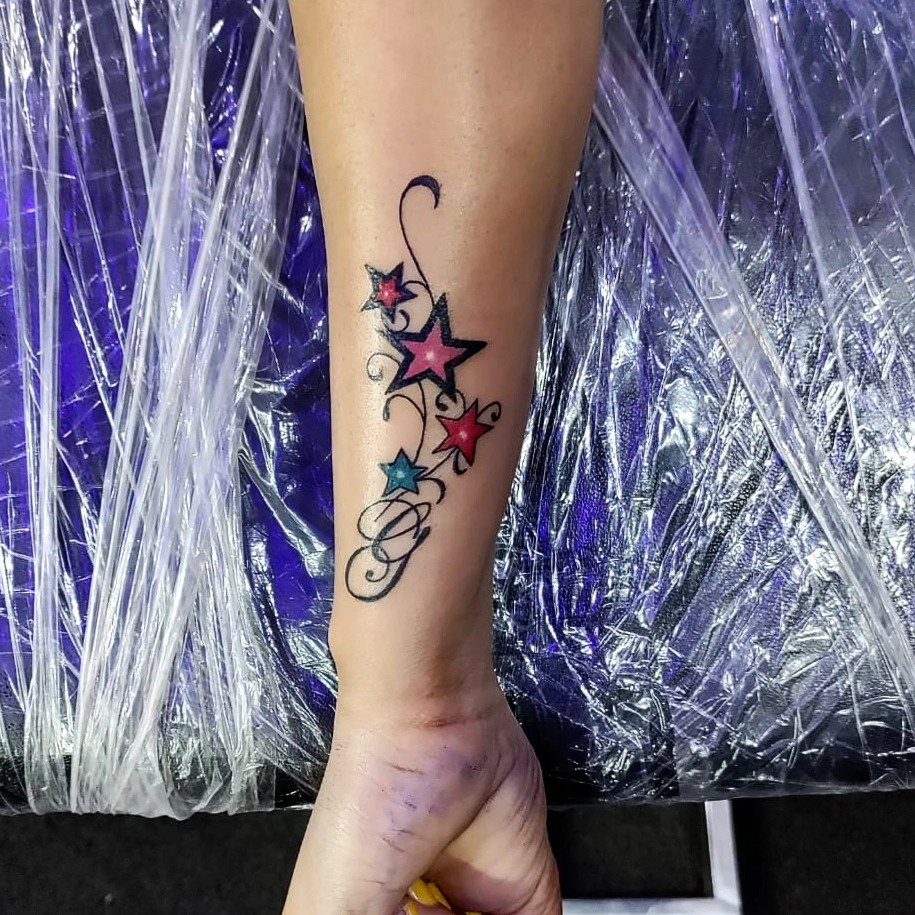
Stars with a swirling line and a single letter fold hope and guidance into something personal. The forearm gives the swirl room to travel, and the letter can stand for whoever or whatever guides you.
Color asks for care, so I would keep a firm outline around each star. Ask your artist how the shades will age on your skin, and plan on touch-ups down the road.
20. Dreamcatcher
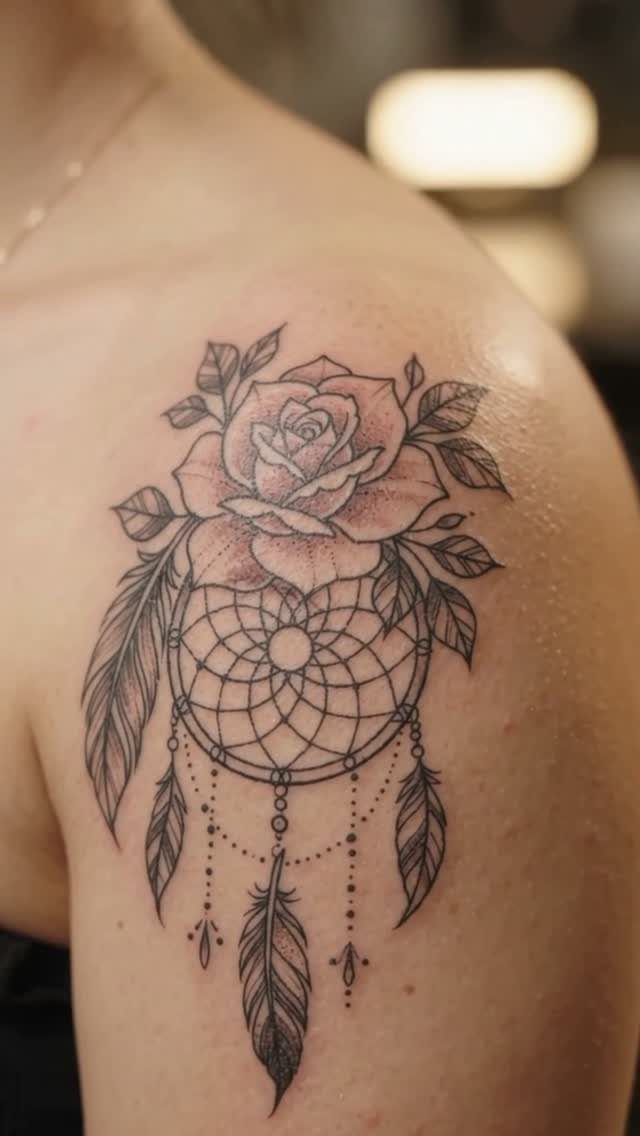
A dreamcatcher stands for protection and positive energy, and pairing it with a rose adds a softer note. On the shoulder, the feathers can hang down the arm or the back as the artist sees fit.
Black ink suits this well. I would keep the web inside the hoop open, with gaps between the lines, because tight webbing is the first part to blur.
21. Anchor
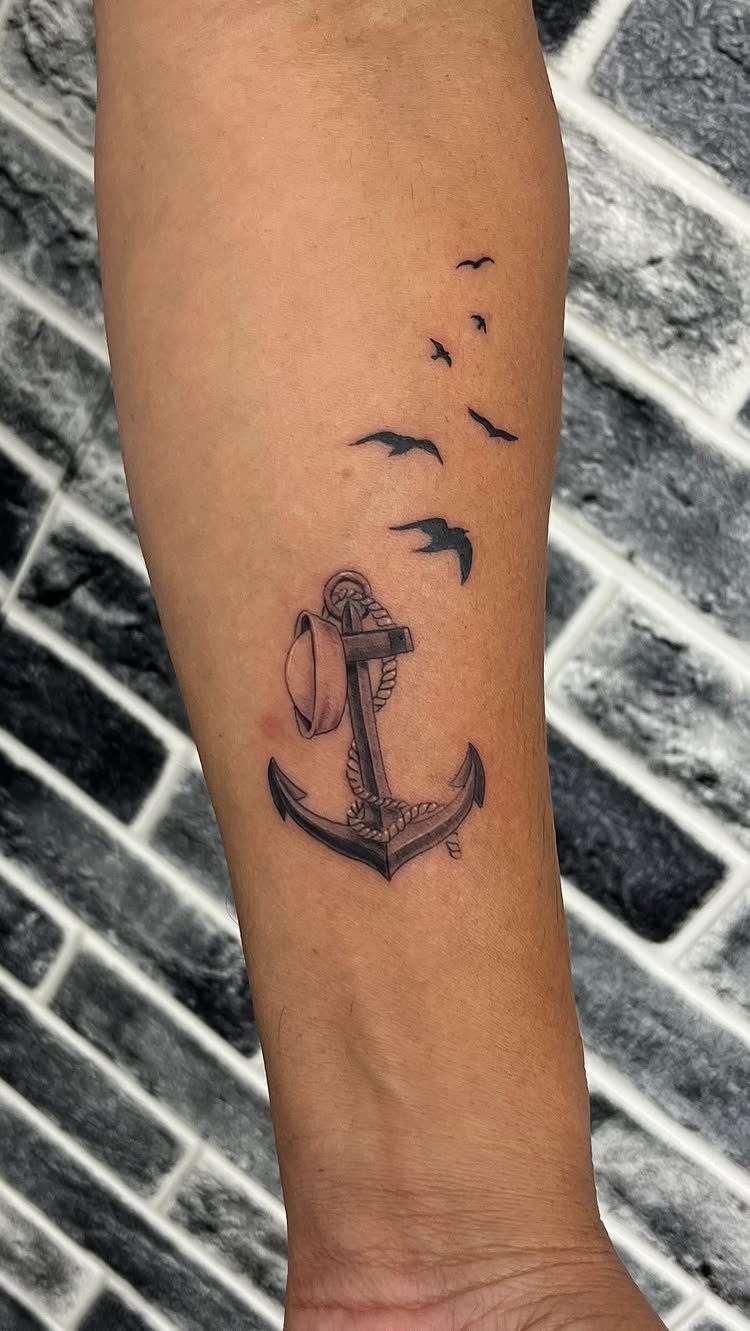
An anchor says stability and hope at once, and birds lifting off the rope give the heavy shape some lightness. The forearm is a natural fit for its long, upright line.
I would keep the rope thick enough that each twist stays readable, and size the birds so they don’t shrink to specks.
Healed photos of an artist’s solid black pieces, a year or more old, will tell you more about their skill than any fresh portfolio shot.
22. Dandelion
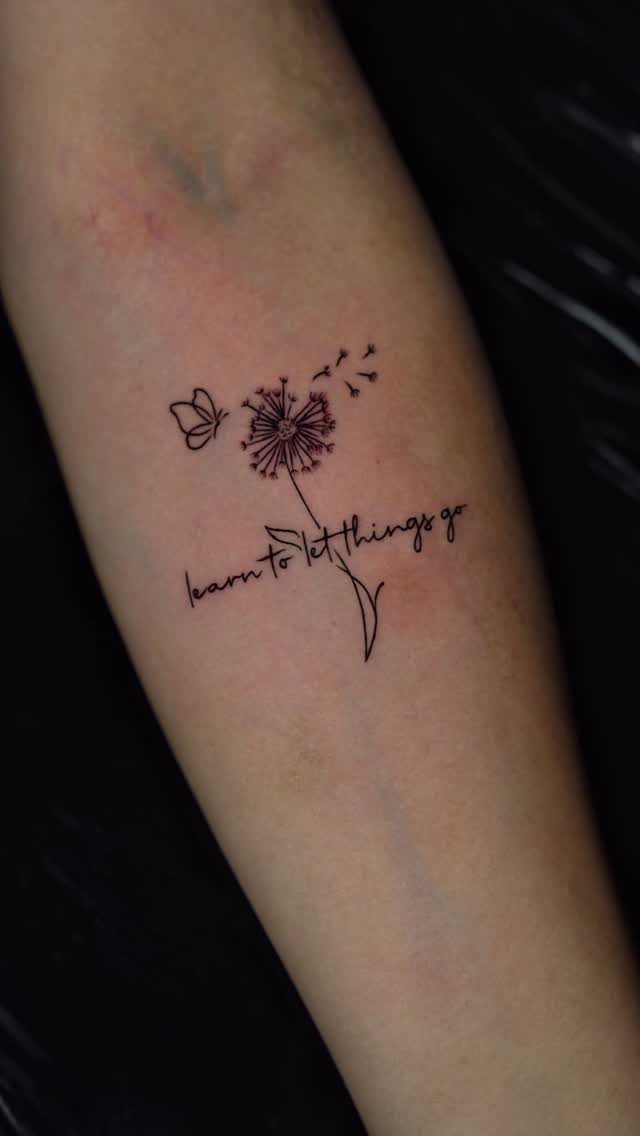
Dandelion seeds drifting into a butterfly make "learn to let things go" read as a picture first and a sentence second. That pairing suits a first tattoo that carries a personal meaning.
Cursive text is where I would be most careful. Keep the letters large with clear space between them, and check every word against your own spelling on the stencil before any ink goes in.
Choosing a Meaningful Design
Pinterest boards, Instagram artist profiles and studio portfolios all show what you keep coming back to, and that pattern matters more than any single picture.
A design drawn from your own life will age better than one built around whatever is popular this year.
Popular styles fade fast, while an idea rooted in who you are keeps its meaning long after the trend is gone. Meaning doesn’t have to mean heavy symbolism; it just has to feel honest to you.
From there, you have 2 good paths. One route is a custom piece you develop with an artist around your own idea; the other is picking flash, the ready-made art on a shop’s walls, if one design already feels right.
I lean toward whichever one you can describe in a sentence without hedging. Either route works as long as the design feels true to you.
Aftercare Tips
Healing starts the moment the session ends, so the first 2 weeks decide how the tattoo looks later.
Leave flaking skin alone. Picking at it is how color and detail get pulled out.
Fine lines are the most delicate while healing, and tiny details can blur or drift if the skin gets poor care in the first days.
Your artist will usually go over aftercare when the session ends, and I’d follow that advice to the letter, particularly during week one.
If your artist’s advice differs from anything general you’ve read, go with the artist. They know the ink, the placement and how your skin is likely to respond.
Frequently Asked Questions
Where should I get my first tattoo as a woman?
The forearm, wrist and ankle are common first spots, and the inner wrist and upper arm work well for small designs.
For a first piece, I like the forearm: it is a long, flat surface that holds a wave or an anchor cleanly, and the thigh or upper back lets you decide who sees it.
I would pick the spot before the design, since the size of the space decides which style will still read well years from now.
What are good beginner tattoos?
Small, simple designs in solid black ink are the safest start. A tiny bee, a paw print with a heart, a single initial or a thin line around the wrist hold up well because they have few details to blur.
Leave real space between shapes, because tight detail is the first thing to blur as the years pass.
Should my first tattoo be in color or black ink?
Black ink is the safer first choice, because it stays clear for years while color tends to fade sooner.
If you want color, such as yellow sunflowers or a pink hummingbird, have dark outlines worked in so the shapes stay firm. Expect a touch-up every few years to keep bright shades sharp.
How do I care for a new tattoo?
Follow your artist’s aftercare advice to the letter, especially in the first week. Flaking skin needs to stay untouched for those first 2 weeks, since picking lifts out ink and leaves patchy spots that show for good.
Thin lines are the most fragile while they heal, so if a generic care sheet disagrees with your artist’s instructions, I would follow the artist every time.